PREGNANCY
Build Your Baby’s Brain During Pregnancy With These Foods
Learn what to eat to fuel your little one’s development.

Written by
Happiest Baby Staff
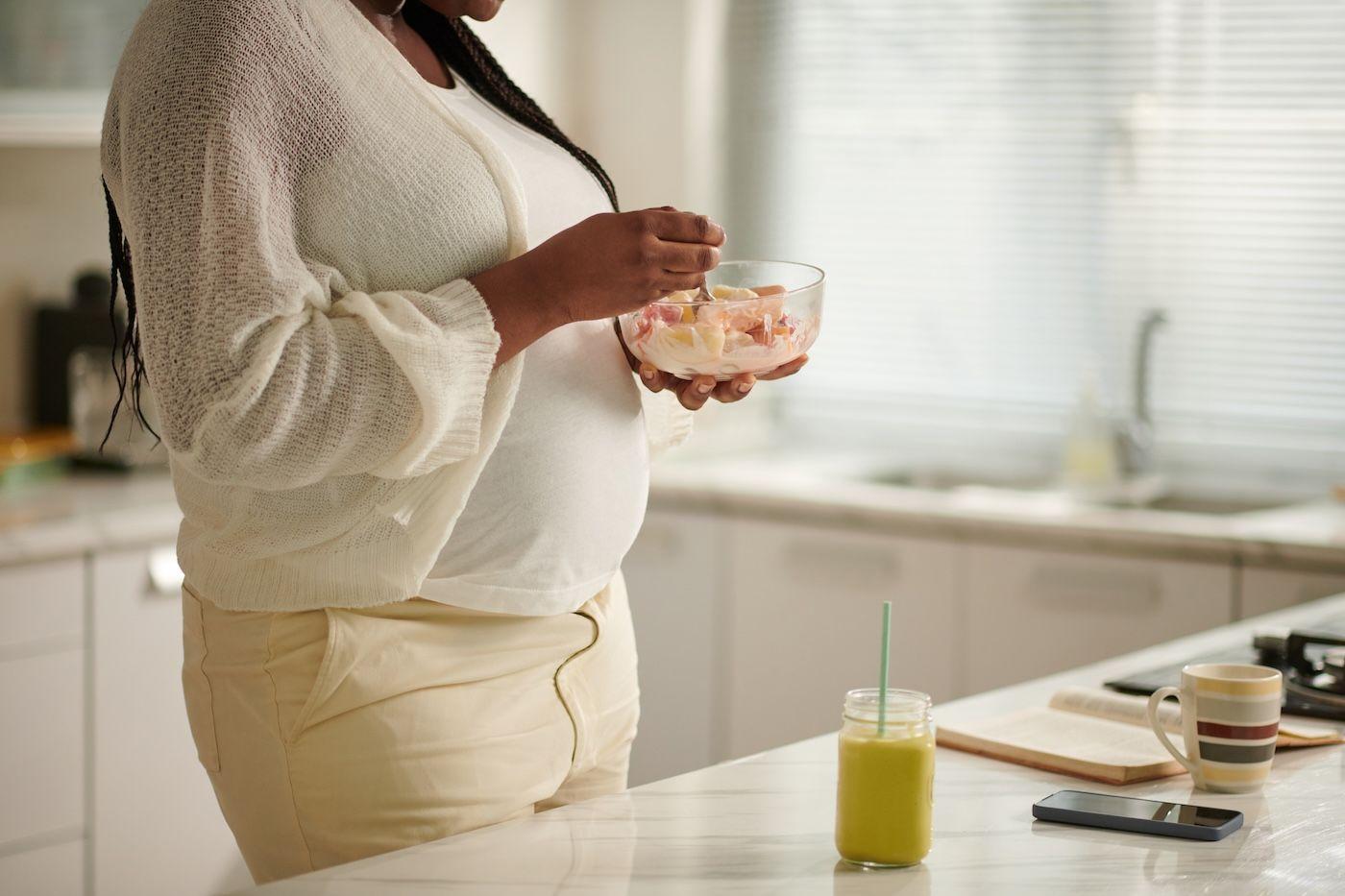
Every parent-to-be wants to give their baby the best start in life. And one big way to support healthy growth—especially brain development —is through good nutrition during pregnancy.
After all, your baby’s developing brain gets all its nutrients from you. The great news is that you don’t need a perfect diet to make a positive impact. By adding a few brain-boosting foods to your plate and taking a quality prenatal vitamin, you can feel confident you’re nourishing your bub’s growing brain. Keep reading to learn about the superstar nutrients that matter most for foetal brain development…and where to find them.
Folate (Folic Acid)
Getting enough folate each day (through diet plus supplements) is one of the most important things you can do early in pregnancy to help your baby’s brain and spine develop.
Folate (vitamin B9) is crucial from the very start of pregnancy. It helps form the neural tube, which develops into your baby’s brain and spinal cord. Getting enough folate can prevent serious birth defects of the brain and spine known as neural tube defects.
How much folate do you need during pregnancy?
In fact, folic acid is so important that doctors recommend taking 400 mcg of folic acid daily before you conceive, and jump to 600 mcg during pregnancy. It’s hard to get that much from food alone, which is where a prenatal vitamin with at least 400 mcg of folic acid will be your new BFF.
Where to Find Folate
Leafy green vegetables are standout folate-suppliers (think: spinach, kale, and broccoli). Citrus fruits like oranges are another great source, as are beans, lentils, and peanuts. Many grain products have folic acid added, so enjoy that bowl of fortified breakfast cereal or a slice of enriched whole-grain bread knowing it’s contributing to your folate needs. Even with a folate-rich diet, you should continue your prenatal vitamin; nearly all prenatal vitamins contain folic acid because it’s so critical.
Iodine
Iodine might not be the first nutrient you think of, but it’s a big deal for your baby’s brain. Iodine helps make thyroid hormones, which regulate growth and are essential for developing your baby’s nervous system. Severe iodine deficiency can impair a child’s learning and IQ, so it’s vital to get adequate amounts now.
How much iodine do you need during pregnancy?
Pregnant people need 220 micrograms of iodine per day. Many prenatal vitamins include iodine, but not all do— so check your prenatal’s label and talk to your provider if you’re unsure.
Where to Find Iodine
While iodised salt will supply you with some iodine (about 68 mcg per 1/4 tsp), most people won’t meet needs from salt alone (nor should they, since too much sodium comes with risk!).iodine-rich foods include dairy products (milk, yoghurt, cheese) and seafood. Eggs and some fortified breads or cereals can supply iodine as well. If you’re using iodised salt (not too much!) and enjoying two to three servings of dairy or seafood a week, you should be hitting your recommended iodine intake.
Iron
Iron’s a real powerhouse of a nutrient during pregnancy—yet many pregnant people fall short. It helps your body make haemoglobin, the protein in red blood cells that carries oxygen. During pregnancy, your blood volume expands to supply oxygen to your growing baby. That means you need about twice as much iron when you’re pregnant to build all that extra blood and fuel your baby’s developing brain with oxygen. If you’re not getting enough iron, you could become anemic, leaving you tired and at risk for preterm birth or a low-birthweight baby.
How much iron do you need during pregnancy?
You need 27 mg of iron per day while pregnant—which most prenatal vitamins will contain. Still, it’s important to eat iron-rich foods daily, both for you and your baby’s benefit.
Where to Find Iron
Lean meats are an excellent source of easily absorbed iron! Consider dishes with beef, lamb, or chicken. Fish and poultry contain iron too. If you’re vegetarian (or just prefer plants on your plate), beans, lentils, spinach, and other leafy greens pack a plant-based iron punch. Iron-fortified foods like certain cereals, breads, and pastas (check the labels) can also help you reach your daily iron goal.
One pro tip: eat something high in vitamin C (like an orange, strawberries, or tomatoes) along with your iron-rich foods. Vitamin C boosts iron absorption, making it extra effective. For example, add bell peppers to a spinach salad or have an orange alongside your iron-fortified cereal at breakfast. But calcium has the opposite effect—it can interfere with iron absorption. So, try to avoid taking your prenatal supplement the same time as you swig a big glass of milk.
Omega-3 Fatty Acids (DHA)
Omega-3 fatty acids, especially DHA (docosahexaenoic acid), are critical for your baby’s brain and eye development. DHA is a major structural fat in the brain, so you’re literally helping to build your baby’s brain tissue with these healthy fats! During pregnancy, getting enough DHA has been linked to better cognitive and visual outcomes in children.
How much DHA do you need during pregnancy?
Aim for about 350–450 mg of DHA per day during pregnancy. Note that not all prenatal vitamins contain DHA, so check yours – you may need a separate fish oil or vegetarian DHA supplement if you don’t eat much fish, which is where most people get DHA.
Where to Find DHA
Fatty fish are the best source of DHA. The FDA and CDC in the United States encourage pregnant people to eat 8 to 12 ounces of low-mercury seafood per week—roughly 2 to 3 servings. Great choices include salmon, sardines, trout, anchovies, herring, and light tuna (canned light tuna has less mercury than albacore). Other good options are shrimp, tilapia, catfish, and cod, which are all safe in pregnancy and provide omega-3s. Just be sure to avoid high-mercury fish (bigeye tuna, king mackerel, marlin, orange roughy, shark, swordfish, tilefish) and limit albacore (white) tuna to 6 oz/week. (More on how to safely eat fish during pregnancy.)
If you’re not a fish fan, you can get smaller amounts of Omega-3s from ground flaxseed, chia seeds, walnuts, and canola oil, though these plant sources contain ALA, a precursor to DHA. Some foods are fortified with DHA, such as certain brands of milk, eggs, or orange juice – check the labels for “DHA added.” Or consider talking to your health professional about a DHA supplement. A fish oil or algae-based DHA supplement can ensure you meet your needs without worrying about mercury.
Choline
Choline is an unsung hero of prenatal nutrition. Getting adequate choline may also help prevent certain birth defects and is linked to improved cognitive function in babies. Choline helps form crucial components of cell membranes and is used to produce acetylcholine, a neurotransmitter important for memory, so it’s key for a growing brain! Our bodies make a little choline on their own, but not nearly enough to meet pregnancy demands, which is why diet is so important.
How much choline do you need during pregnancy?
In pregnancy, choline needs go up to about 450 mg per day. One catch: Most prenatal vitamins do not contain much (or any) choline. That means you’ll want to be intentional about eating choline-rich foods, and you can ask your provider if a separate choline supplement is worth considering in your case.
Where to Find Choline
Animal products tend to boast the most choline. Eggs are an excellent and convenient source. One egg yolk has around 125 mg of choline—but it’s all in the yolk, so this is not the time for an egg-white omelette! Lean meats like chicken and beef, and organ meats like beef liver, are choline-rich as well. Fish (such as salmon), milk and dairy products, and soybeans or soy products (tofu, edamame) also contribute choline. Even peanut butter and nuts have a tiny bit of choline.
Vitamin D
Vitamin D is famous for helping build strong bones, but it’s also important for your baby’s brain. Some research suggests that adequate vitamin D during pregnancy may have a positive influence on neurodevelopment and immune health in infants.
How much vitamin D do you need during pregnancy?
The recommended amount is 600 IU (15 mcg) of vitamin D per day in pregnancy. Many prenatal vitamins provide about 400–600 IU, so check to see if you’re hitting the target. Because vitamin D deficiency is pretty common (people who get little sun exposure or have darker skin are at higher risk), your doctor might test your vitamin D level and advise an extra supplement if needed.
Where to Find Vitamin D
Sunlight on your skin helps your body make vitamin D, but depending on where you live and how much sun you get, that alone might not be enough (and you should be careful about too much sun). Fortunately, foods can help fill the gap. Fatty fish like salmon, mackerel, tuna, and sardines are among the best natural sources of vitamin D. Plus, vitamin D is also added to lots of foods. Milk is typically fortified (a cup of fortified milk packs about 100–120 IU). Certain breakfast cereals, yoghurt, and orange juices may be fortified as well (take a peek at the package labels). Egg yolks contain vitamin D (another reason eggs are a prenatal superfood!). Even mushrooms exposed to UV light can provide some vitamin D.
To reach 600 IU, you might combine a vitamin D-rich food each day with your prenatal vitamin. If you’re concerned you’re not getting enough, talk to your health professional. They may recommend a higher-dose vitamin D supplement, especially if your blood levels have tested low.
Nourishing Your Baby’s Brain
By focusing on key nutrients like folate, iodine, iron, DHA, choline, and vitamin D, you’re giving your little one the building blocks for healthy brain and nervous system development. A good strategy is to enjoy a variety of whole foods: plenty of colourful fruits and veggies, whole grains, lean proteins (including fish, eggs, and beans), and dairy or fortified plant alternatives. Small steps, like adding a handful of spinach to a smoothie for extra folate or choosing iodised salt when cooking, can add up. At the same time, take your prenatal vitamin daily as an insurance policy.
With each nourishing bite you take, you are helping to fuel your baby’s brain and body. Enjoy this journey of eating well for two and take pride in knowing that you’re laying the foundation for your baby’s development, one healthy choice at a time.
Disclaimer: The information on our site is NOT medical advice for any specific person or condition. It is only meant as general information. If you have any medical questions and concerns about your child or yourself, please contact your health provider. Breastmilk is the best source of nutrition for babies. It is important that, in preparation for and during breastfeeding, mothers eat a healthy, balanced diet. Combined breast- and bottle-feeding in the first weeks of life may reduce the supply of a mother's breastmilk and reversing the decision not to breastfeed is difficult. If you do decide to use infant formula, you should follow instructions carefully.





SHARE THIS ARTICLE
PARENT PICKS
Bestsellers