BABY
How to Sleep Train a 9-Month-Old
Everything you need to know about sleep training your 9-month-old!

Written by
Happiest Baby Staff
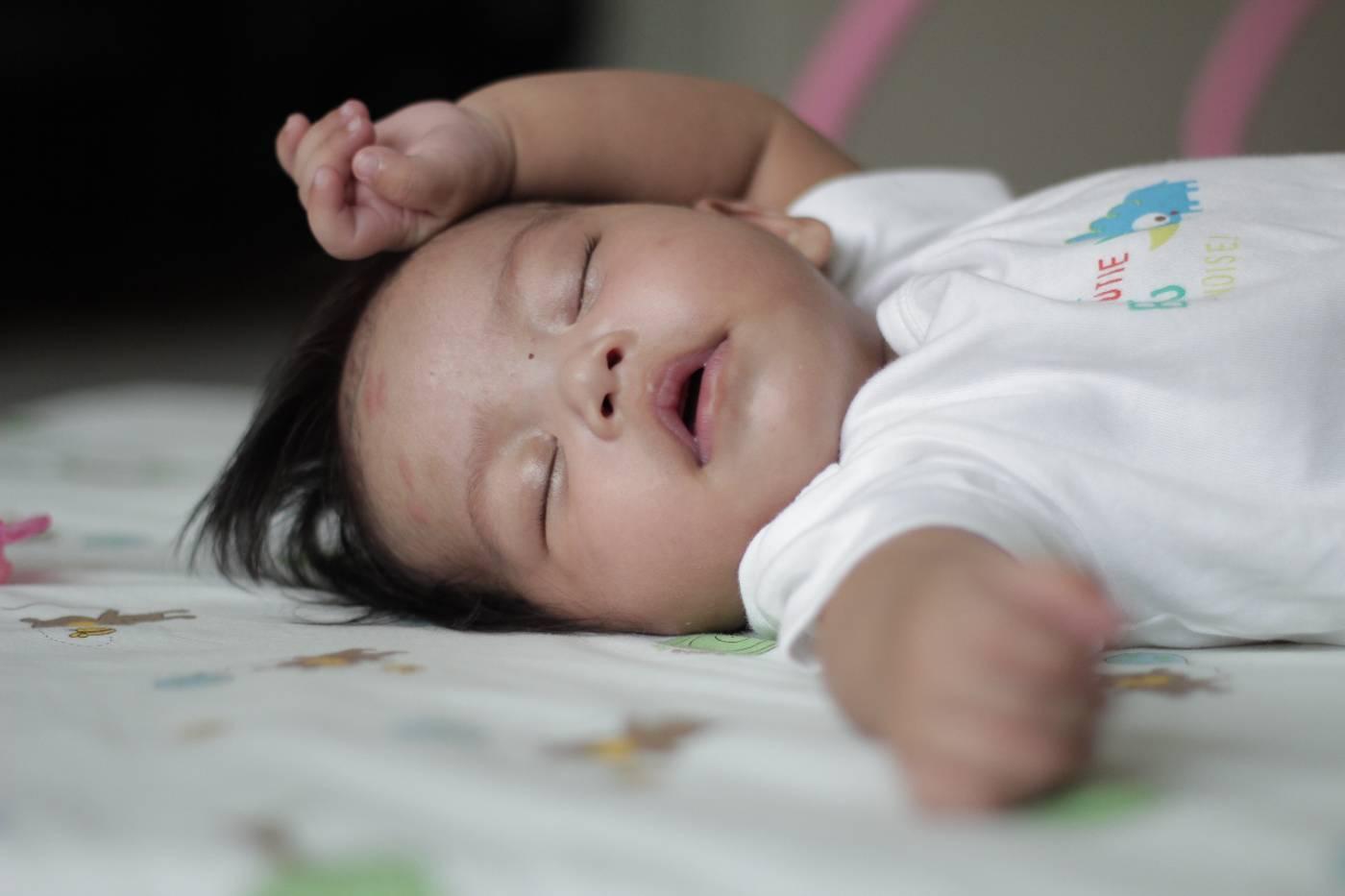
Typically, 9-month-old babies sleep between 12 to 16 hours a day…and may even be clocking up to 10 hours of sleep a night…but that’s not the case for every baby. In fact, even if you fast forward to 12 months old, roughly 28% of babies still aren’t sleeping for 6 consecutive hours overnight. If this sounds familiar and you’re wondering, “Is 9 months old a good time to start sleep training?” you are in luck. Here’s everything you need to know about baby sleep at 9 months, including advice for sleep training your 9-month-old.
Is 9 months a good time to start sleep training?
It can be! Most babies are developmentally ready for sleep training between 4 months and 6 months old, so chances are your 9-month-old is capable of learning to sleep through the night! That said, many babies go through a growth spurt at 9 months that can lead to sleep setbacks that don’t mesh with sleep training success. So, before you dive into sleep training, it’s a good idea to assess your baby’s temperament, look for signs they’re going through a growth spurt (increased hunger and fussing, for example), and assess any other changes or illnesses they may be dealing with.
Can you sleep train a 9-month-old?
Yes, it’s totally possible to sleep train a 9-month-old! But go into it with realistic expectations for your little one and yourself! Your bub’s capacity to “sleep through the night” may be a little different than what you’re anticipating. (Learn more about what sleeping through the night really looks like.)
How often do 9-month-olds wake at night?
Many 9-month-olds snooze for 12 to 16 hours a day, clocking 7 to 10 of those hours a night without any rousing-the-house wakeups…but that’s not all babies. Around 9 months, some little ones begin to develop separation anxiety and others are so over the moon about all of their newly developing skills—like crawling, pulling up, and babbling—that they find it difficult to settle down for the night and after a light wakeup. (Learn more about your baby’s first year sleep schedule.)
How long does it take to sleep train a 9-month-old?
Sleep training is not an exact science, but generally speaking, it should take about a week or so to sleep train your 9-month-old. Of course timing can vary widely depending on your baby’s personality, the level of consistency and calm in your household, and your sleep training method. If your sleep training efforts have yielded little to no success after two weeks of trying, take a break from sleep training and assess why your 9-month-old may be resisting your efforts.
Is there any reason to not start sleep training my 9-month-old?
There are a few reasons why you should consider not sleep training your 9-month-old, including if your baby is under the weather or if they’re going through any kind of transition, like starting daycare or you’ve recently moved. To help set your baby up for sleep-training success, it’s wise to put off sleep-training your 9-month-old if …
- Your baby is actively teething.
- Your baby is ill.
- It’s daylight saving
- Your baby’s bedtime is unpredictable.
- There’s been a change in caregivers.
- Your baby is transitioning to a cot.
- Your baby is transitioning to their own room.
- There are other sources of chaos or transition in the household, like a parent returning to work or a new sibling joining the family
How do I sleep train my 9-month-old?
While there’s no shortage of sleep training methods—and sleep training opinions—pediatrician Dr. Harvey Karp, bestselling author of The Happiest Baby on the Block, encourages parents to start their sleep training journey with a gentle sleep training approach called the wake-and-sleep method. Here, a parent gently rouses their sleeping baby then allows them to fall back to sleep on their own. Sounds terrifying, right? But don’t panic! It’s not. While the wake-and-sleep method feels counterintuitive, Dr. Karp affirms that gently waking your 9-month-old—then allowing them to fall back into sweet slumber, teaches babies that they have the power to soothe themselves back to sleep—and sleep through the night.
Here’s how to use the wake-and-sleep method with your 9-month-old:
- Set the sleepytime mood. Make your baby’s bedtime routine loving, calming, and consistent. That means, always dimming the lights and closing the blinds about an hour before bedtime and turning rough and rumbly white noise on as loud as a shower about 30 minutes later. (White noise has been shown to help 80% fall asleep in just 5 minutes.) And consider adding a bath, massage, and quiet cuddling or singing to the mix, too. Researchers found that using this three-step bedtime routine helped babies 7 to 36 months olds fall asleep faster and sleep longer after two weeks.
- Lay them down asleep and full. Dress your baby in their cozy sleep sack, feed and burp them. Then offer a dummy (a proven baby-calmer) and allow your baby to fall asleep in your arms before placing them in their cot.
- Gently rouse your sleeping baby. Softly tickle your baby’s neck or feet until their eyes barely open. As long as your 9-month-old has a full belly and is listening to white noise, they should be able to close their eyes and drift right back to the land of ZZZs after a few seconds.
- Turn up the white noise if needed. If your baby doesn’t doze off again quickly, turn up the white noise a little louder and jiggle their cot for a few seconds to help them sleep. If crying persists, pick your baby up and offer a cuddle to soothe them—then start the wake-and-sleep approach all over again.
Other Sleep Training Methods for a 9-Month-Old
While the wake-and-sleep strategy is Dr. Karp’s favourite sleep training method, there are other sleep training techniques to choose from. You can mix and match them until you find the sleep training combo that works best for your family. Here are some popular sleep training methods:
- “Pick-Up, Put Down.” First, follow your usual comforting bedtime routine, complete with storytime, white noise, a feed, a burp, and a change. Next, place your 9-month-old into their cot still awake. If your baby fusses or cries, pat their belly, gently shush them, or even pick them up to help them calm down. But once your baby is settled, promptly return them to the cot and exit the room. (The key is to calm and skedaddle quickly. No lingering!) Repeat this routine (sometimes called “shush, pat” sleep training method) each time your little one cries.
- “The Chair.” Follow your usual calming bedtime routine—including white noise—and place your drowsy but awake baby into their cot. But instead of leaving the room, pull up a chair and sit next to your baby’s cot until they nod off. Once your baby is asleep, you leave. Then, if your baby cries after you’ve left, you return, sit down, and wait all over again. (During the entire process, you can offer gentle verbal reassurances, but you’re not supposed to pick up your little one.) Every few nights, gradually move your chair further closer to the door, until you’re finally out of the room.
- Ferber Method. This famed sleep training method is sometimes called “graduated extinction” or the “check-and-console” method. No matter what it’s called, here’s how it works: Go through your baby’s usual calming nighttime routine, including white noise, then put them in their cot awake and you exit the room. If your baby cries, come back to check on them at specific, graduated intervals. For instance, when your baby cries, first return in 3 minutes to shush your little one without picking them up, then promptly leave. If your 9-month-old is still crying, come back after 5 minutes with the time between each check-in getting longer. Then, on your second night of sleep training, you may start with a 5-minute interval for the first check-in, and then wait 10 minutes before the second. The goal is that your baby will soon settle down without any intervention on your part.
- “Cry it out.” While the “cry it out” sleep training method is similar to the Ferber Method, there are no regular check-ins with “cry it out.” Instead, “cry it out” involves letting your baby cry and fuss without intervention, so that they’ll eventually learn to self-soothe. This method—also called “extinction method”—is understandably very distressing for many parents, which is why it’s often used as a last ditch effort if other sleep training methods did not work as planned. To use the “cry it out” method, follow your usual soothing bedtime routine, place your baby in their cot, offer sweet words and kisses, and then leave the room, allowing your baby to settle on their own.
Why isn’t sleep training working for my 9-month-old?
There are a lot of reasons your 9-month-old may be resisting sleep training. They may be under the weather, their homelife may be particularly chaotic right now, or there may be other—more stealth—reasons your little one isn’t responding to sleep training. Some possible sleep-training obstacles include…
- Your baby is hungry.
- Your baby is teething.
- Your baby is accustomed to falling asleep in your arms.
- Your baby’s bedtime is at the wrong time.
- Your baby’s naptime needs to be adjusted.
- Your baby’s tummy is adjusting to new foods.
What time should a 9-month-old go to bed?
Normally, 9-month-olds start their day between 6 and 7am and go to bed somewhere between 7 and 9pm each evening. The average 9-month-old sleeps for a total of 12 to 16 hours each 24-hour period, clocking up to 10 of those hours at night.
Getting Your 9-Month-Old to Go to Bed on Their Own
Establishing and following a predictable and soothing bedtime routine, including white noise, will go a long way to help your baby learn how to sleep on their own. At the same time, it’s important to troubleshoot common sleep-sappers by asking yourself the following questions:
- Is my baby hungry? Even though your 9-month-old is chowing down on solid foods, breastmilk and/or baby formula still makes up about 67% of your baby’s calories. It’s crucial that your baby isn’t missing milk during the day…otherwise, they’ll pop awake hungry all night long. Try this stay-full-longer tip from Dr. Harvey Karp: Mix a little avocado into your baby’s dinner. The healthy fat boost can help your baby feel fuller longer. But if your baby still wakes to eat, it might just be out of habit. To curb you baby’s knee-jerk response, slowly decrease how many ounces you offer overnight and/or shorten the duration of nighttime feeds.
- Is my baby accustomed to falling asleep in my arms? If your baby is constantly falling asleep out of their sleep space, waking up in their cot can be jarring. And if they haven't learned to self-soothe yet, a light arousal up can quickly morph into a panicked wake up. (Learn what to do if your baby won’t sleep unless held.)
- Are my baby’s naps too long? Wake your baby up if they’re still napping at the two-hour mark. While it’s painful to wake a sleeping baby, this will help them maintain longer stretches of sleep at night. At this age, most babies are napping twice a day. If your bug is still taking three naps a day, it’s likely time to drop one.
- Is my baby’s bedtime too early? If your 9-month-old fights sleep for up to an hour, shows no sign of fatigue at bedtime, and/or wakes in the middle of the night—or very early the next day—raring to go, their bedtime might be too early. Push their evening routine 15 minutes later every two to three nights to find the right later bedtime.
- Is my baby’s bedtime too late? When 9-month-olds fight sleep for up to an hour despite showing clear signs of being tired (rubbing eyes, blinking, yawning), their bedtime may be too late. Other clues they’re bedtime needs to be earlier: Your baby takes extra-long naps, easily falls asleep on car or pram rides, and is moody and irritable. To reset bedtime, push your baby’s routine 15 minutes earlier every two to three nights to land on the ideal timing.
- Is my baby constipated? When a constipated child’s intestines strain to expel a hard stool at night, it can wake them up. To help, first check out the signs and symptoms of baby constipation. If your baby does have a “poop problem,” offer a warm bath, a soothing belly massage, and help them do the “bicycle legs” exercise before bed. (With your baby on their back, move their legs in a half-bent position, just like they’re riding a bike to help stimulate their digestive system.) It’s a good idea to examine your baby’s growing diet, too, ensuring that they’re getting enough high-fiber foods, such as vegetables, beans, and fruit.
Do I need to worry about sleep regression for my 9-month-old?
Since 9 months is a growth-spurt period, sleep regression is often—but not always—in the cards. With the 9-month sleep regression, babies who’ve been great sleepers may suddenly have a hard time settling down to sleep, they may wake several times a night, and/or struggle with naps. Signs your baby is going through a sleep regression includes:
- Trouble falling asleep
- Frequent night wakings
- Taking longer to go back to sleep
- Suddenly resisting naps
- Fussiness
- Crankiness
- Increased crying
The good news? The 9-month sleep regression often lasts for just a few weeks, especially if you’re engaging in healthy sleep practices, like using white noise. (Learn about Dr. Harvey Karp’s take on the 9-month sleep regression.)
Products That Can Help With Sleep Training a 9-Month-Old
All 9-month-olds need a safe sleep space, a full belly, and a supportive atmosphere to help them get the ZZZs they need. Babies also need to feel confident in their own ability to soothe themselves to sleep—and back to sleep. To help, lean into these sleepytime aids:
- SNOObie: This Smart Soother not only plays pediatrician-approved white noise, designed especially for baby sleep—plus, it’s a tap-to-activate nightlight, ensuring easy sleep-training check-ins.
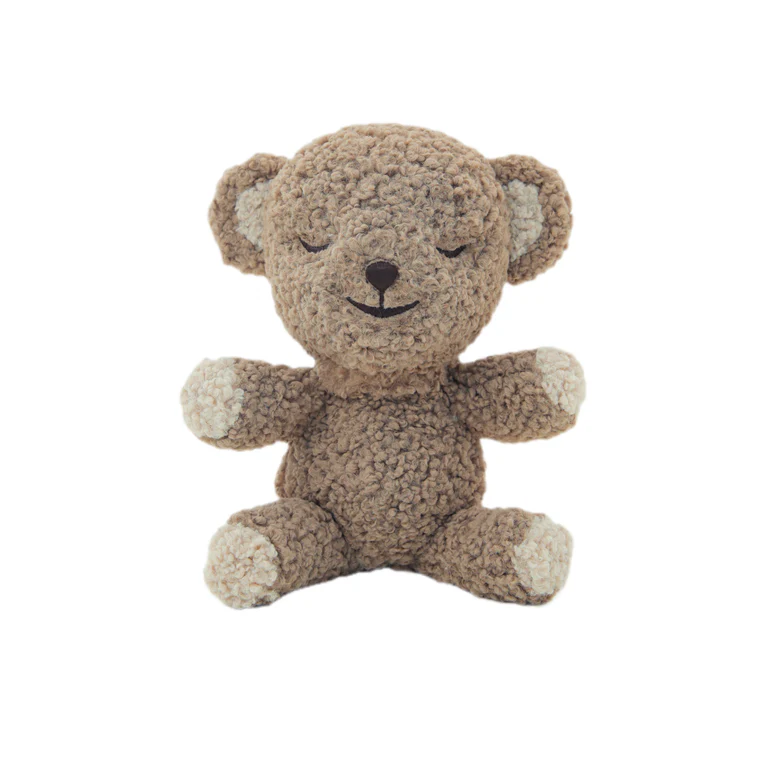
- SNOObear: Another pediatrician-designed white noise machine, SNOObear actually “listens” to your tot and offers soothing white noise if they awake in tears, helping your bub learn to self-soothe. While your baby shouldn’t sleep with a lovey in their cot until 12 months, introducing SNOObear lovey now outside of the cot will help your baby to recognise it and connect it with comfort and security. (Learn more about the power of loveys.)
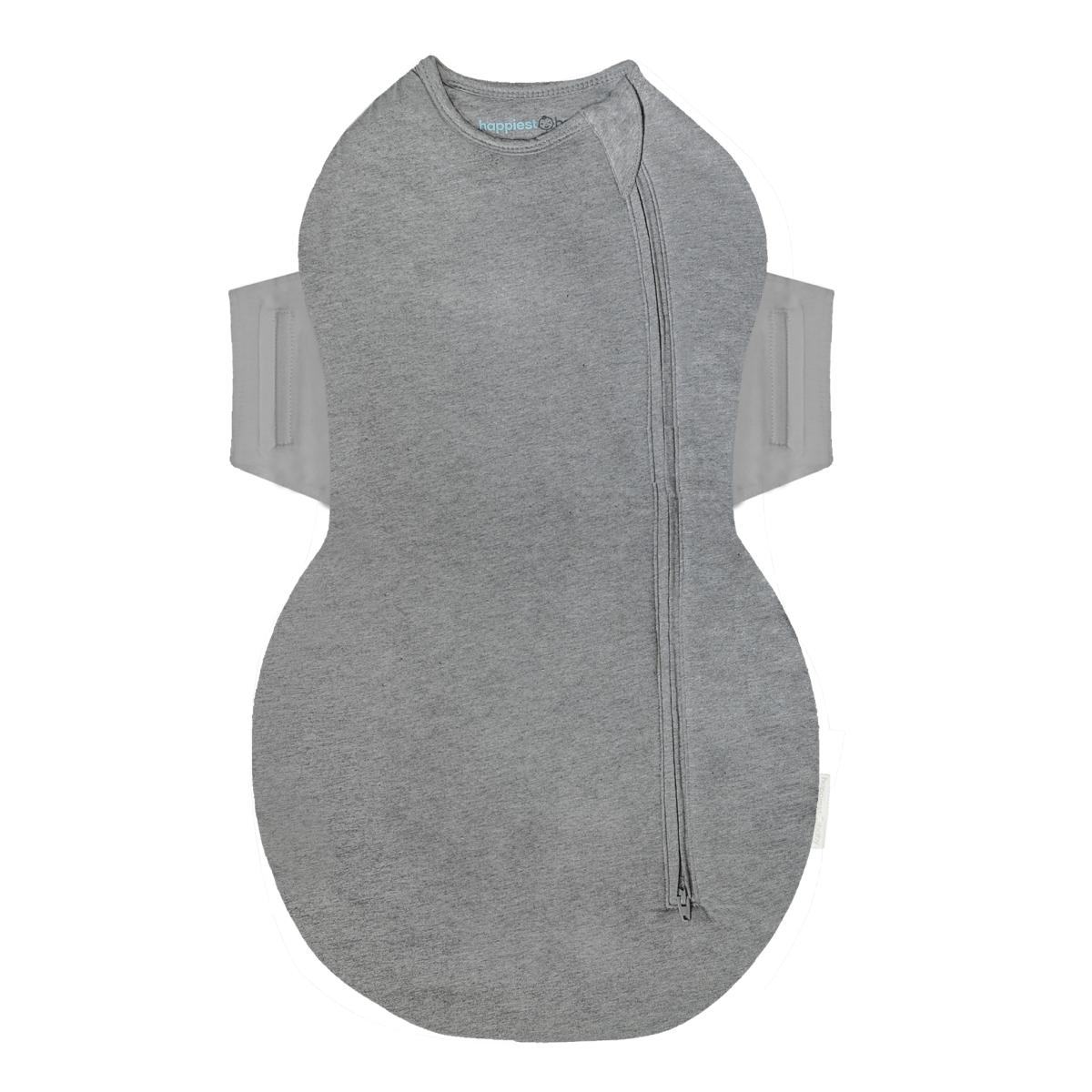
- Sleepea: Once your baby graduates from the cozy embrace of the baby swaddle and/or SNOO, transfer them into a safe sleep sack or a transitional swaddle, like the award-winning Sleepea 5-Second Swaddle, which was voted Best Transitional Swaddle by Good Housekeeping. A transitional swaddle, like Sleepea, allows for safe arms-out sleeping for rolling babies—but still offers babies the familiarity and comfort of their favourite swaddle. A large (18 to 26 lb) or extra large Sleepea (26 to 33 lb) should be big enough to fit the average 9-month-old.
Disclaimer: The information on our site is NOT medical advice for any specific person or condition. It is only meant as general information. If you have any medical questions and concerns about your child or yourself, please contact your health provider. Breastmilk is the best source of nutrition for babies. It is important that, in preparation for and during breastfeeding, mothers eat a healthy, balanced diet. Combined breast- and bottle-feeding in the first weeks of life may reduce the supply of a mother's breastmilk and reversing the decision not to breastfeed is difficult. If you do decide to use infant formula, you should follow instructions carefully.
SHARE THIS ARTICLE
PARENT PICKS
Bestsellers