FIND US ON SOCIAL

Facebook linkYoutube linkLinkedin linkInstagram linkTikTok linkTwitter link
View post on Instagram
 
View post on Instagram
 
View post on Instagram
 
View post on Instagram
 
View post on Instagram
 
View post on Instagram
 
View post on Instagram
 
View post on Instagram
 
View post on Instagram
 
View post on Instagram
 

Join the Fam,

Stay in the Know

JOIN OUR COMMUNITY

Sign up to get helpful tips, offers, and more!

ABOUT

Mission & FoundersThe 5 S’sBlog

SUPPORT

FAQsFees, Shipping, and ReturnsReturns PortalContact Us

COMMUNITY

AffiliatesAuthorised Partners

LEGAL

Terms of SalePrivacy PolicyCookie PolicyTerms of ServiceEULASNOO Limited WarrantyCookie PreferencesMore

SHOP

SNOO Smart SleeperSleepea SwaddleSNOObear White Noise LoveySNOObie Smart Soother

© 2025 Happiest Baby, Inc. | All Rights Reserved

All third party trademarks (including names, logos, and icons) referenced by Happiest Baby remain the property of their respective owners. Unless specifically identified as such, Happiest Baby’s use of third party trademarks does not indicate any relationship, sponsorship, or endorsement between Happiest Baby and the owners of these trademarks. Any references by Happiest Baby to third party trademarks are to identify the corresponding third party goods and/or services and shall be considered nominative fair use under the trademark law.

    Happiest Baby
    BLOG
    FAQS

    TODDLER

    The Scoop on Restless Sleep Disorder in Kids

    Nighttime disturbances that steal precious zzz’s can be seriously, well, disturbing. Here’s what to know about restless sleep disorder in kids.

    Dr. Harvey Karp

    Written by

    Dr. Harvey Karp

    SHARE THIS ARTICLE

    Share on FacebookShare on TwitterShare on LinkedinShare on PinterestShare via EmailCopy to clipboard link
    Restless sleep disorder: Child sleeping restlessly

    ON THIS PAGE

    • What is restless sleep disorder in kids?
    • What are symptoms of restless sleep disorder in kids?
    • When should parents talk to a doctor about restless sleep disorder?  
    • How is restless sleep disorder treated? 

    SHARE THIS ARTICLE

    Share on FacebookShare on TwitterShare on LinkedinShare on PinterestShare via EmailCopy to clipboard link

    PARENT PICKS

    Bestsellers

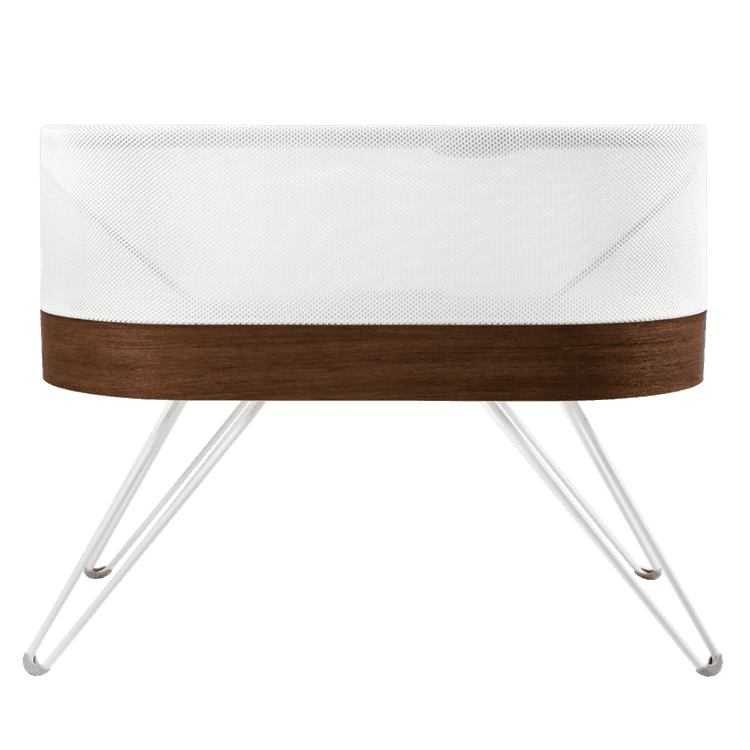
    SNOO Smart Sleeper Bassinet

    SNOO Smart Baby Sleeper

    $1,995.00

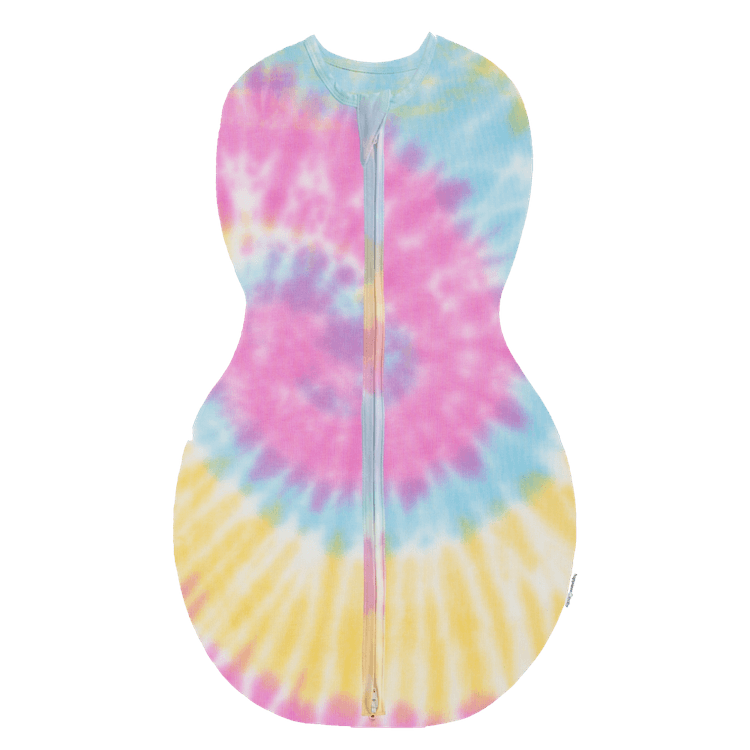
    Sleepea® 5-Second Baby Swaddle Rainbow

    Sleepea® 5-Second Baby Swaddle

    $54.95

    100% Organic SNOO Sleep Sack
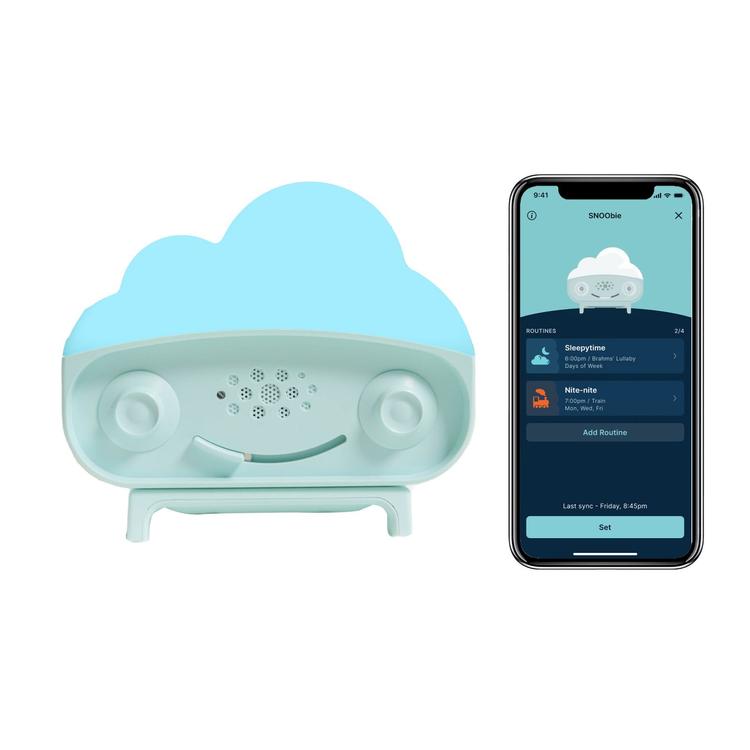
    SNOObie

    SNOObie® Smart Soother

    $114.95

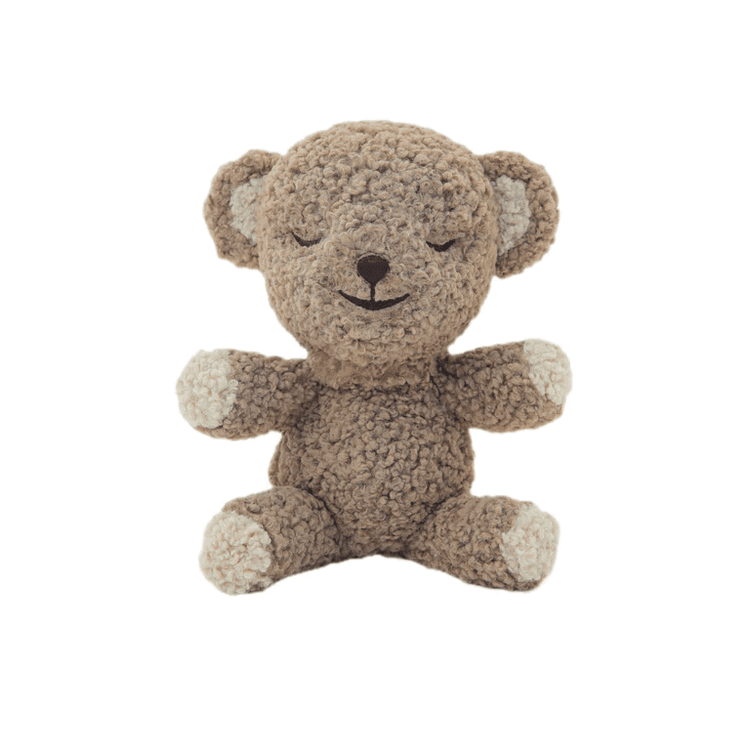
    SNOObear in Cocoa Woolly colour

    SNOObear® 3-in-1 White Noise Lovey

    $99.95

    SNOO Smart Sleeper Bassinet with mosquito net attached

    Shoo Mosquito Net

    $129.95

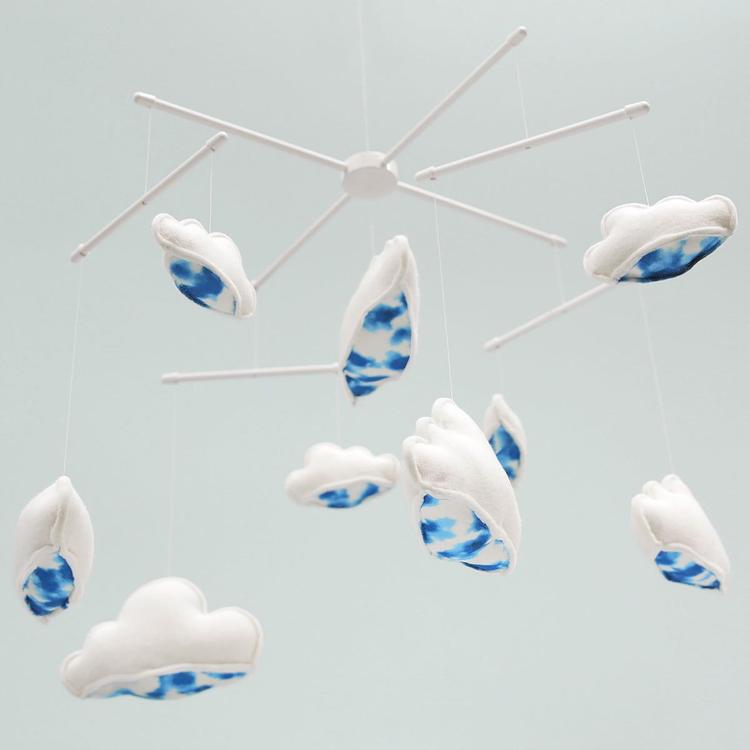
    Sky Mobile’s clouds

    Sky Mobile

    $139.95

    100% Organic Cotton SNOO Baby Cot Fitted Sheet in blue tie-dye colour in the box

    100% Organic Cotton SNOO Baby Bassinet Fitted Sheet

    $29.95

    SNOO Organic Baby Cot Sheets 3 Pack in 3 different colours

    SNOO Organic Baby Cot Sheets 3 Pack

    $89.85

    $58.40

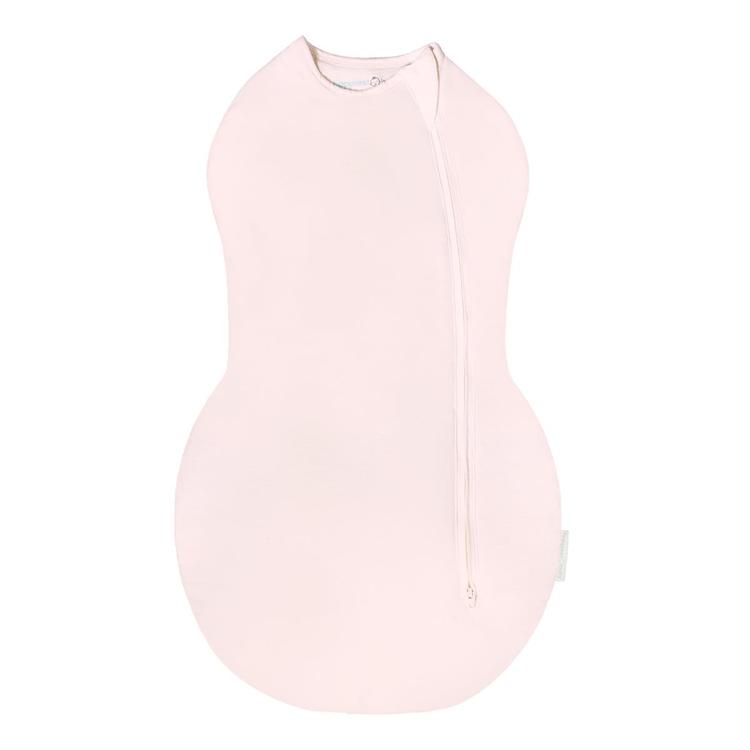
    Sleepea® Comforter Swaddle in rose colour

    Sleepea® Comforter Swaddle

    $67.95

    100% Organic SNOO Sleep Comforter Sack in graphite colour

    100% Organic SNOO Sleep Comforter Sack

    $69.95

    Sleepea® Swaddle Sack 3 Pack Bundle in teal planets colour

    Sleepea® Swaddle Sack 3 Pack Bundle

    $143.85

    $100.70

    More on Toddler

    TODDLER

    Smart Kitchen Safety Tips for Toddlers (and Their Grown-Ups!)

    Keep your curious little cook safe in the kitchen!

    Toddler girl playing in the dirt

    TODDLER

    The Surprising Benefits of Letting Kids Play in Dirt and Mud

    While good hygiene is important, so is getting dirty sometimes!

    Nighttime disturbances that steal precious zzz’s can be seriously, well, disturbing. And parents are right to be concerned about their toddler’s tossing and turning. Quality of sleep impacts every part of our lives! Poor sleep can trigger to irritability, impaired coordination, behaviour issues, lack of focus, poor memory, and even increased injury risk. Plus, good quality sleep supports healthy brain development!

    Recently, medical professionals have begun to put together an official diagnosis for children for what is called restless sleep disorder, which describes frequent and persistent restlessness at night. Here is what parents need to know.  

    What is restless sleep disorder in kids?

    Restless sleep disorder (RSD) is a newly recognised problem in children 6-18 years of age. It was described in a recent issue of the respected medical journal, Sleep Medicine. As you might guess from its name, RSD is defined by restlessness during sleep that leads to exhausted, bleary-eyed kids in the morning.

    RSD is similar to restless leg disorder in the way that there are physical movements that are disturbing sleep. However, the symptoms of restless leg disorder (an uncomfortable sensation in the legs, twitching, or the urge to move) can be experienced during the day too. And restless sleep disorder is broader in that it is defined by big body movements… which could be legs, arms, torso etc.

    What are symptoms of restless sleep disorder in kids?

    The primary symptom of restless sleep disorder are major body movements during sleep…that might look like kicking, thrashing, or flailing. But restless sleep disorder is not just one or two nights of tossing and turning. It is diagnosed when a child experiences these major body movements at least three times a week for at least three months and is resulting in 'significant impairment' during the day.

    Because you probably do not have eyes on your child all night, the first thing that might tip you off to a potential sleep disorder is that your kid continually wakes up exhausted and unrested...despite appearing to get enough hours of sleep. They might seem foggy, clumsy, or cranky.  

    When should parents talk to a doctor about restless sleep disorder?  

    While the official diagnosis requires three months of restless sleep, you may want to reach out to your care provider as soon as you notice these nighttime disturbances are affecting your child’s mood, behaviour, or ability to function during the day. Even if your paediatrician cannot give you a restless sleep disorder diagnosis, they may be able to provide tips or a treatment plan to help your child sleep better. 

    How is restless sleep disorder treated? 

    There is some evidence that links restless sleep to iron deficiency. So, iron supplements are often prescribed to treat restless sleep disorders. Of course, speak with your provider before giving your child an iron supplement, but by all means, do not wait to load up your kid’s plate with iron-rich foods, like meats, legumes (lentils, beans, etc.!).

    There are a few other simple changes you can make to help improve quality of sleep for your child: 

    • Stick to a regular nap and nighttime schedule. Being short on sleep can contribute to a variety of sleep issues.
    • Use a predictable, calming bedtime routine every night. To get your child in a relaxed state of mind, an hour before bed, dim the lights and turn on white noise.
    • Use low, rumbly white noise, which can help mask outside disturbances.
    • Try to avoid stimulants (like chocolate, caffeinated drinks, antihistamines, or decongestants), which can lead to restlessness.
    • In that golden hour before bedtime, reduce rough-housing and screen time.
    • Try bedtime sweet talk as part of your routine to help relax your child’s mind. Here is how you do this little tip: As you tuck in your child, talk about all the wonderful things that happened that day, and mention how your lovebug’s brain can be so calm that they will probably sleep very well.

    Disclaimer: The information on our site is NOT medical advice for any specific person or condition. It is only meant as general information. If you have any medical questions and concerns about your child or yourself, please contact your health provider. Breastmilk is the best source of nutrition for babies. It is important that, in preparation for and during breastfeeding, mothers eat a healthy, balanced diet. Combined breast- and bottle-feeding in the first weeks of life may reduce the supply of a mother's breastmilk and reversing the decision not to breastfeed is difficult. If you do decide to use infant formula, you should follow instructions carefully.

    Top Stories

    how-to-use-5s-s-for-soothing-babies

    BABY

    The 5 S's for Soothing Babies

    what is the fourth trimester

    BABY

    What Is the Fourth Trimester?

    white noise for babies

    BABY

    Newborn Baby White Noise Benefits

    4 month sleep regression

    BABY

    Don't Get Blindsided by the 3-4 Month Sleep Regression

    dream feed

    BABY

    What Is Dream Feeding? And How Do I Do It?

    when to stop pacifier use

    TODDLER

    How & When to Stop Dummy Use