FIND US ON SOCIAL

Facebook linkYoutube linkLinkedin linkInstagram linkTikTok linkTwitter link
View post on Instagram
 
View post on Instagram
 
View post on Instagram
 
View post on Instagram
 
View post on Instagram
 
View post on Instagram
 
View post on Instagram
 
View post on Instagram
 
View post on Instagram
 
View post on Instagram
 

Join the Fam,

Stay in the Know

JOIN OUR COMMUNITY

Sign up to get helpful tips, offers, and more!

ABOUT

Mission & FoundersThe 5 S’sBlog

SUPPORT

FAQsFees, Shipping, and ReturnsReturns PortalContact Us

COMMUNITY

AffiliatesAuthorised Partners

LEGAL

Terms of SalePrivacy PolicyCookie PolicyTerms of ServiceEULASNOO Limited WarrantyCookie PreferencesMore

SHOP

SNOO Smart SleeperSleepea SwaddleSNOObear White Noise LoveySNOObie Smart Soother

© 2025 Happiest Baby, Inc. | All Rights Reserved

All third party trademarks (including names, logos, and icons) referenced by Happiest Baby remain the property of their respective owners. Unless specifically identified as such, Happiest Baby’s use of third party trademarks does not indicate any relationship, sponsorship, or endorsement between Happiest Baby and the owners of these trademarks. Any references by Happiest Baby to third party trademarks are to identify the corresponding third party goods and/or services and shall be considered nominative fair use under the trademark law.

    Happiest Baby
    BLOG
    FAQS

    TODDLER

    How to Remove a Splinter

    For little kids, pulling a splinter out, no matter how tiny, can be pretty scary business. Here is what you need to do.

    Happiest Baby Staff

    Written by

    Happiest Baby Staff

    SHARE THIS ARTICLE

    Share on FacebookShare on TwitterShare on LinkedinShare on PinterestShare via EmailCopy to clipboard link
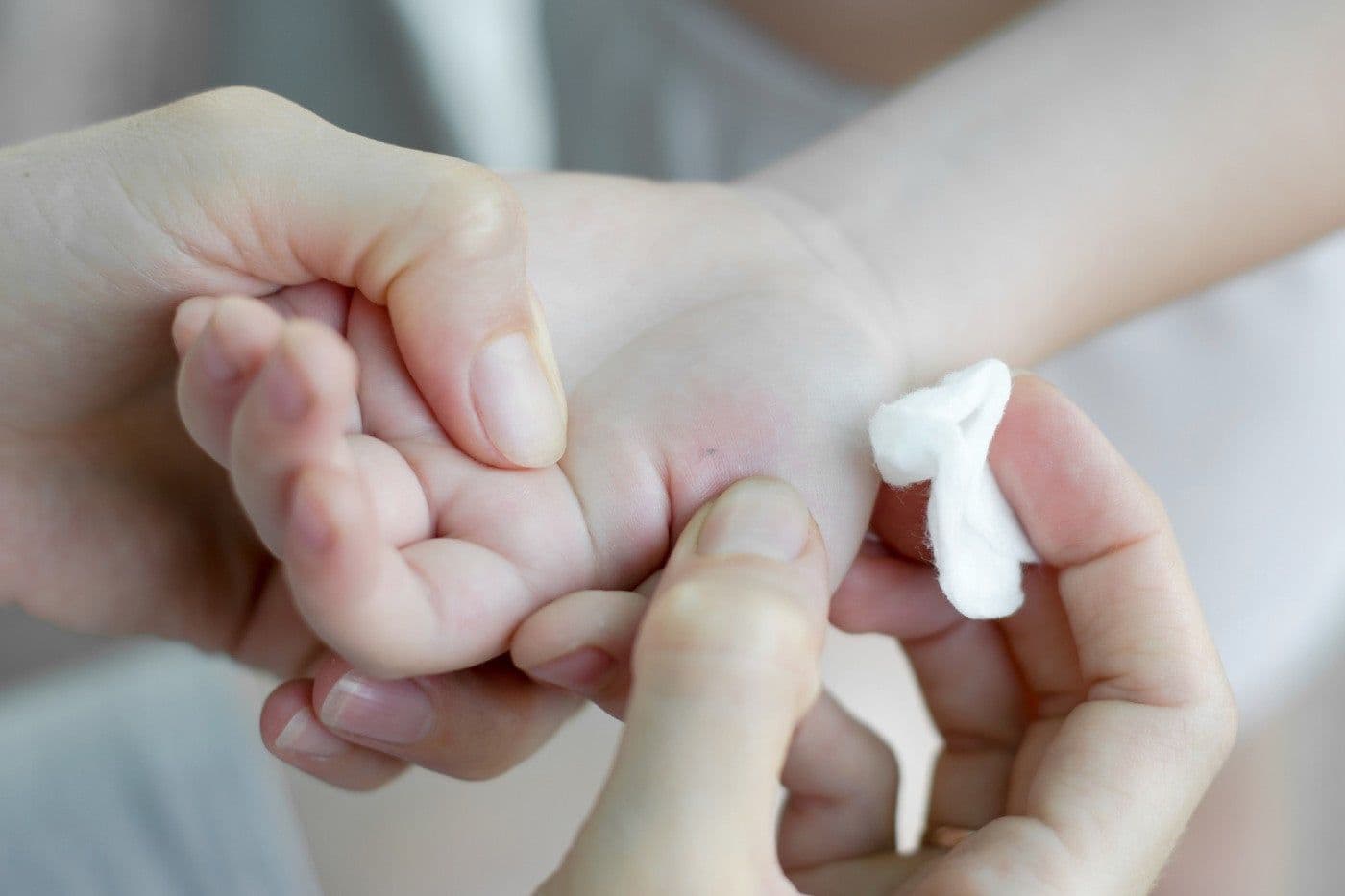
    Removing a splinter from a toddler's hand

    ON THIS PAGE

    • Are splinters dangerous?
    • Can you soak a splinter out?
    • How to Remove a Splinter with Tweezers
    • Other Home Remedies for Splinters
    • When to Call a Doctor About a Splinter

    SHARE THIS ARTICLE

    Share on FacebookShare on TwitterShare on LinkedinShare on PinterestShare via EmailCopy to clipboard link

    PARENT PICKS

    Bestsellers

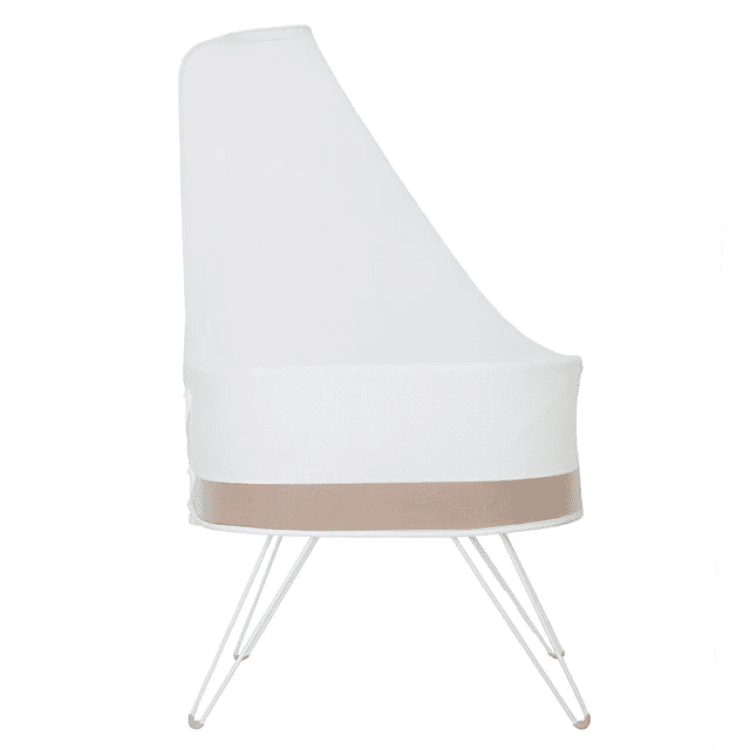
    SNOO Smart Sleeper Bassinet

    SNOO Smart Baby Sleeper

    $1,995.00

    Sleepea® 5-Second Baby Swaddle Rainbow

    Sleepea® 5-Second Baby Swaddle

    $54.95

    100% Organic SNOO Sleep Sack
    SNOObie

    SNOObie® Smart Soother

    $114.95

    SNOObear in Cocoa Woolly colour

    SNOObear® 3-in-1 White Noise Lovey

    $99.95

    SNOO Smart Sleeper Bassinet with mosquito net attached

    Shoo Mosquito Net

    $129.95

    Sky Mobile’s clouds

    Sky Mobile

    $139.95

    100% Organic Cotton SNOO Baby Cot Fitted Sheet in blue tie-dye colour in the box

    100% Organic Cotton SNOO Baby Bassinet Fitted Sheet

    $29.95

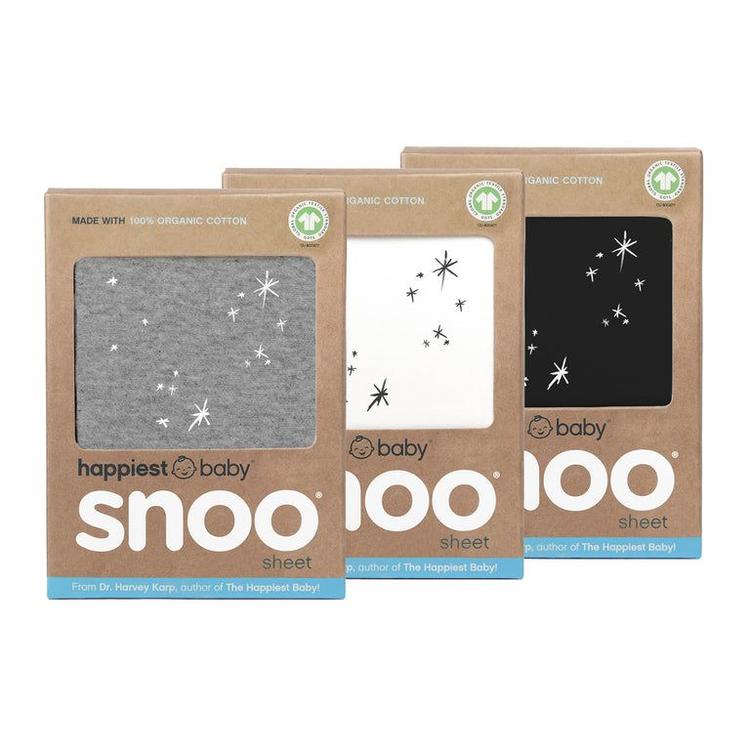
    SNOO Organic Baby Cot Sheets 3 Pack in 3 different colours

    SNOO Organic Baby Cot Sheets 3 Pack

    $89.85

    $58.40

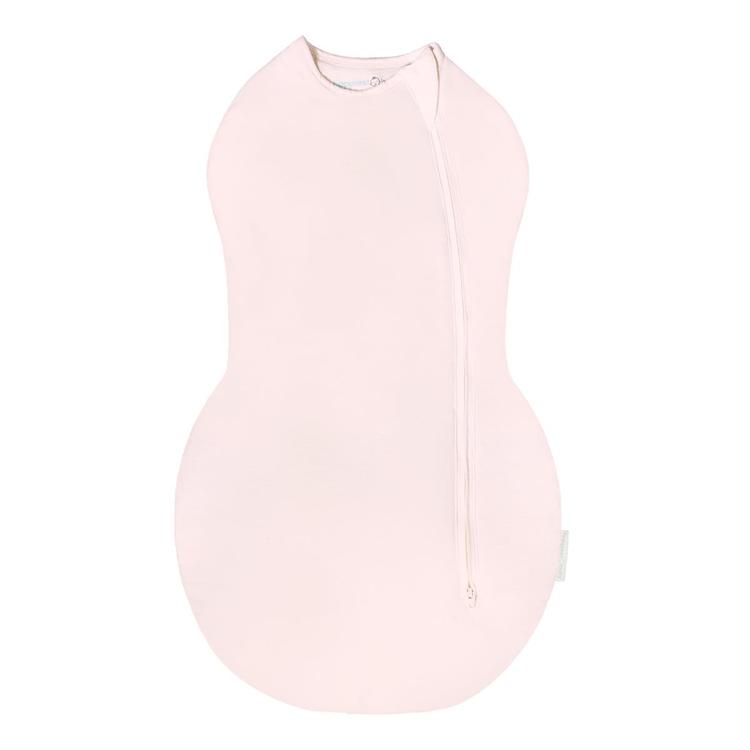
    Sleepea® Comforter Swaddle in rose colour

    Sleepea® Comforter Swaddle

    $67.95

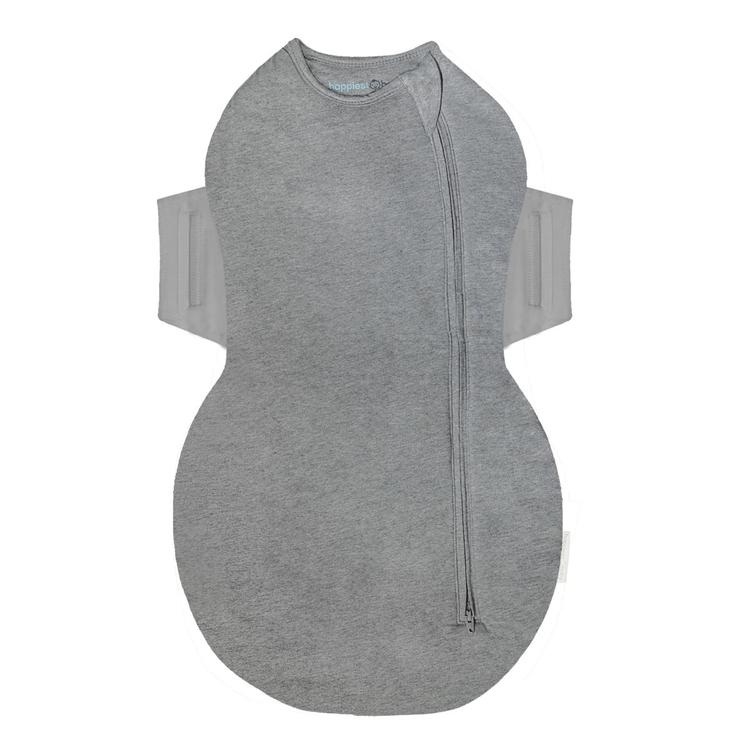
    100% Organic SNOO Sleep Comforter Sack in graphite colour

    100% Organic SNOO Sleep Comforter Sack

    $69.95

    Sleepea® Swaddle Sack 3 Pack Bundle in teal planets colour

    Sleepea® Swaddle Sack 3 Pack Bundle

    $143.85

    $100.70

    More on Toddler

    TODDLER

    Smart Kitchen Safety Tips for Toddlers (and Their Grown-Ups!)

    Keep your curious little cook safe in the kitchen!

    Toddler girl playing in the dirt

    TODDLER

    The Surprising Benefits of Letting Kids Play in Dirt and Mud

    While good hygiene is important, so is getting dirty sometimes!

    Splinters might not seem like a big deal, but just wait until your child runs barefoot on grandma’s old wooden deck or accidentally gets a handful of prickers and, well, here comes the hullabaloo!

    For little kids, pulling a splinter out, no matter how tiny, can be pretty scary business. The good news? Tweezers are not always needed to get the job done. The key, of course, is knowing what to do because, while you might not think that a splinter can cause much harm, if certain types of splinters are left untreated, they can potentially lead to infections and warrant a trip to the doctor! Here, what you need to know.

    Are splinters dangerous?

    Typically, splinters are merely an annoyance and nothing to be too worried about. However, some splinters do pose more of a risk than others. It is all about what the splinter is and where on your child's body it has landed. For example, a sliver from certain plants, such a cactus or rose thorns, and wood should be promptly removed since they are porous and, therefore, more likely to contain bacteria and other pathogens that can possibly cause infection. On the other hand, glass, metal, and plastic splinters do not typically lead to infections, notes a report from the journal American Family Physician. (Yes, you still need to take them out, but you have more time to get the job done.)

    And if any type of splinter is near your child’s eye or under their nails, you likely require a medical professional’s help for removal. Same goes for slivers that have entered the skin vertically, since these can be especially difficult to excise at home.

    Can you soak a splinter out?

    One time-tested and simple way to remove a splinter, especially from a child who is afraid of tweezers, is to soak the affected area in warm water for a few minutes. (Since younger children already have soft skin, you do not need to soak any longer.) However, you should avoid this method if the sliver in question is wood, since water can cause swelling of the splinter making it more difficult to remove. Once you remove the splinter, remember to wash the area with warm water and soap. (Also, apply a thin smear of antibiotic ointment or petroleum jelly before applying an adhesive bandage.)

    How to Remove a Splinter with Tweezers

    Sometimes your child’s splinter is still poking out of the skin just enough to use a pair of tweezers to grab the tip and gently pull out.

    • Begin by washing your hands and then gently cleansing the affected area with rubbing alcohol or soap and water. You will need to sterilise the tweezer tips with rubbing alcohol, too.
    • Next, carefully and firmly grasp the splinter with the tweezers and slowly pull it out in the same direction that the splinter entered the skin. Never squeeze out a splinter! This may cause it to break into smaller pieces making it way more difficult to remove.
    • If the splinter is fully embedded under the skin, sterilise a sewing needle with rubbing alcohol and use a magnifying glass to help you carefully pierce the skin at one end of the splinter, exposing the end of the sliver. Next, gently push the splinter. Once the splinter peaks out of the skin, use sterilised tweezers to grasp and pull the rest out.
    • Finally, wash the area with warm water and soap, apply a thin layer of petroleum jelly or antibiotic ointment, and cover with a bandage until everything heals up.

    Other Home Remedies for Splinters

    Stinging nettles, cactus spines, and teeny fiberglass spicules are all very fragile, making them difficult to take out with tweezers. Before trying to remove any of these tricky slivers, wash the affected area with soap and water (or sterilise with rubbing alcohol), then…

    Cover the splinter with tape. Packaging tape, duct tape, or another super-sticky tape will do. The action of pulling the tape off can pull the splinter out, too.

    Use wax hair remover: If the tape trick did not work, apply a layer of wax hair remover to the splinter, letting it air-dry for 5 minutes. Next, peel the wax off…along with the splinters. (If a few spicules remain, it is likely A-okay to leave them be. They will generally work themselves out with normal shedding of the skin, notes the AAP.)

    After you get the splinter out, wash the area with soap and water, pat dry, and apply antibiotic ointment or petroleum jelly before bandaging the wound.

    When to Call a Doctor About a Splinter

    If you are unable to successfully remove your child’s splinter after about 10 or 15 minutes of trying, give your local urgent care or your child’s paediatrician a call. In addition, you should reach out to your healthcare provider right away if…

    • There is heavy bleeding
    • You notice signs of infection, such as redness, swelling, or pus
    • Your child is in severe pain
    • There is a fever
    • The splinter is deeply embedded
    • The splinter in under a fingernail or toenail
    • You removed the sliver, but the pain worsens.
    • A deep puncture and your child’s last tetanus shot was more than 5 years ago

    To help avoid future splinters, tell your child to avoid rubbing their hands over wooden surfaces, like picnic tables and to always wear shoes on wooden decks, boardwalks, and docks. And if you ever break glass, keep your child out of the room while you clean up and, when they return, make sure they are wearing slippers.

    Disclaimer: The information on our site is NOT medical advice for any specific person or condition. It is only meant as general information. If you have any medical questions and concerns about your child or yourself, please contact your health provider. Breastmilk is the best source of nutrition for babies. It is important that, in preparation for and during breastfeeding, mothers eat a healthy, balanced diet. Combined breast- and bottle-feeding in the first weeks of life may reduce the supply of a mother's breastmilk and reversing the decision not to breastfeed is difficult. If you do decide to use infant formula, you should follow instructions carefully.

    Top Stories

    how-to-use-5s-s-for-soothing-babies

    BABY

    The 5 S's for Soothing Babies

    what is the fourth trimester

    BABY

    What Is the Fourth Trimester?

    white noise for babies

    BABY

    Newborn Baby White Noise Benefits

    4 month sleep regression

    BABY

    Don't Get Blindsided by the 3-4 Month Sleep Regression

    dream feed

    BABY

    What Is Dream Feeding? And How Do I Do It?

    when to stop pacifier use

    TODDLER

    How & When to Stop Dummy Use