FIND US ON SOCIAL

Facebook linkYoutube linkLinkedin linkInstagram linkTikTok linkTwitter link
View post on Instagram
 
View post on Instagram
 
View post on Instagram
 
View post on Instagram
 
View post on Instagram
 
View post on Instagram
 
View post on Instagram
 
View post on Instagram
 
View post on Instagram
 
View post on Instagram
 

Join the Fam,

Stay in the Know

JOIN OUR COMMUNITY

Sign up to get helpful tips, offers, and more!

ABOUT

Mission & FoundersThe 5 S’sBlog

SUPPORT

FAQsFees, Shipping, and ReturnsReturns PortalContact Us

COMMUNITY

AffiliatesAuthorised Partners

LEGAL

Terms of SalePrivacy PolicyCookie PolicyTerms of ServiceEULASNOO Limited WarrantyCookie PreferencesMore

SHOP

SNOO Smart SleeperSleepea SwaddleSNOObear White Noise LoveySNOObie Smart Soother

© 2025 Happiest Baby, Inc. | All Rights Reserved

All third party trademarks (including names, logos, and icons) referenced by Happiest Baby remain the property of their respective owners. Unless specifically identified as such, Happiest Baby’s use of third party trademarks does not indicate any relationship, sponsorship, or endorsement between Happiest Baby and the owners of these trademarks. Any references by Happiest Baby to third party trademarks are to identify the corresponding third party goods and/or services and shall be considered nominative fair use under the trademark law.

    Happiest Baby
    BLOG
    FAQS

    BABY

    Colostrum: Your Baby’s Magical First Meal

    Learn about the nutrient-packed superfood that helps newborns thrive.

    Dr. Harvey Karp

    Written by

    Dr. Harvey Karp

    SHARE THIS ARTICLE

    Share on FacebookShare on TwitterShare on LinkedinShare on PinterestShare via EmailCopy to clipboard link

    ON THIS PAGE

    • What is colostrum?
    • What are the benefits of colostrum?
    • When should my baby start eating colostrum?
    • How long will I produce colostrum?

    SHARE THIS ARTICLE

    Share on FacebookShare on TwitterShare on LinkedinShare on PinterestShare via EmailCopy to clipboard link

    PARENT PICKS

    Bestsellers

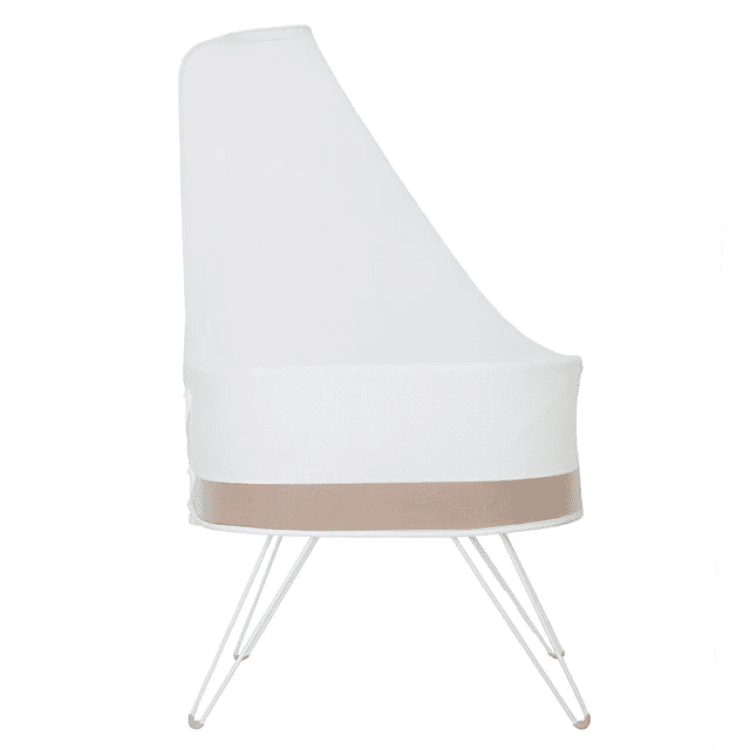
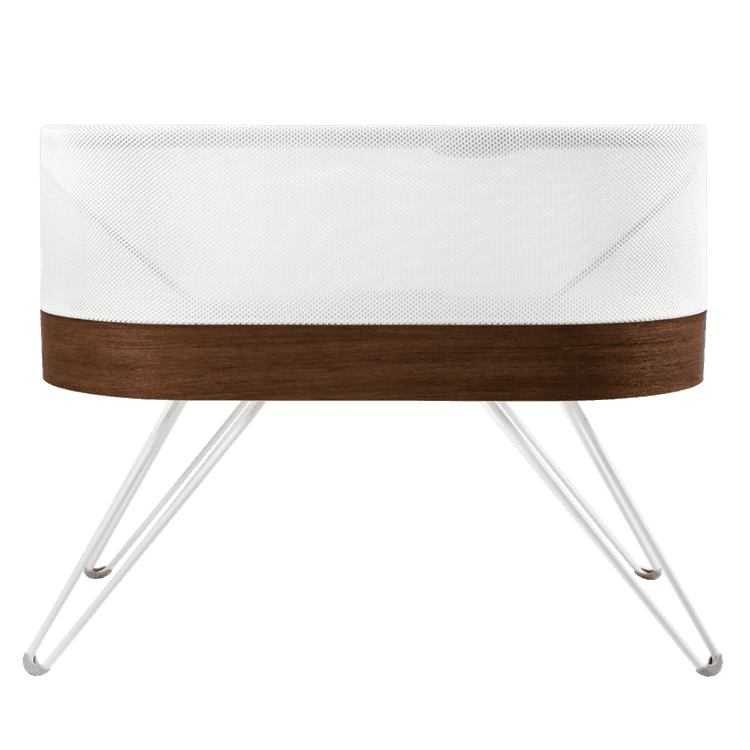
    SNOO Smart Sleeper Bassinet

    SNOO Smart Baby Sleeper

    $1,995.00

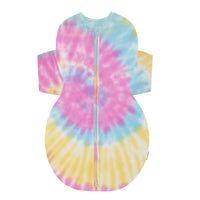
    Sleepea® 5-Second Baby Swaddle Rainbow

    Sleepea® 5-Second Baby Swaddle

    $54.95

    100% Organic SNOO Sleep Sack
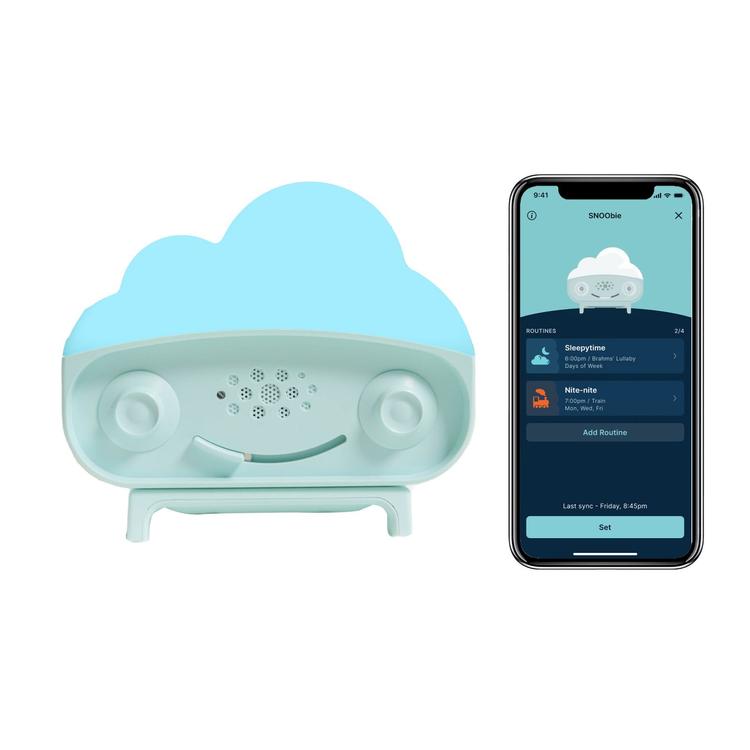
    SNOObie

    SNOObie® Smart Soother

    $114.95

    SNOObear in Cocoa Woolly colour

    SNOObear® 3-in-1 White Noise Lovey

    $99.95

    SNOO Smart Sleeper Bassinet with mosquito net attached

    Shoo Mosquito Net

    $129.95

    Sky Mobile’s clouds

    Sky Mobile

    $139.95

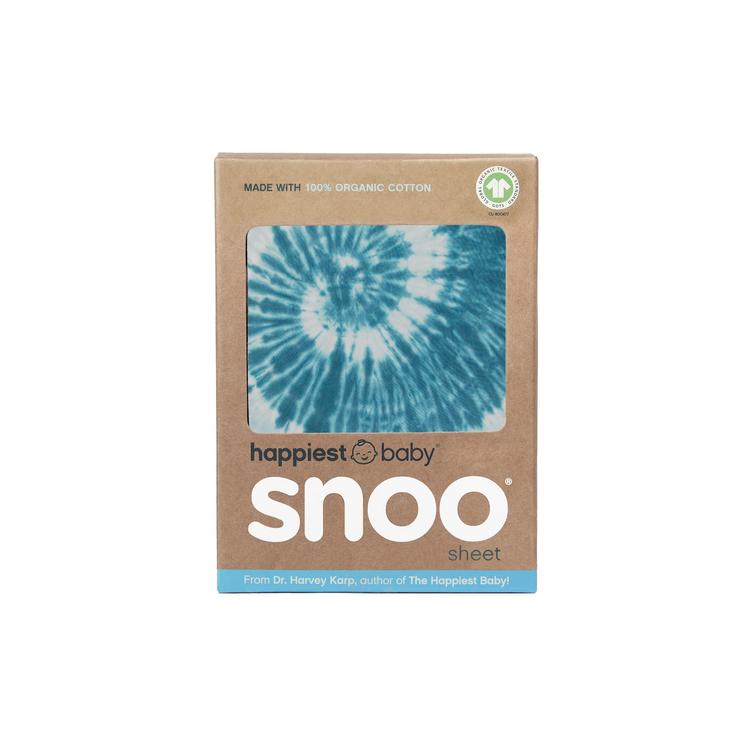
    100% Organic Cotton SNOO Baby Cot Fitted Sheet in blue tie-dye colour in the box

    100% Organic Cotton SNOO Baby Bassinet Fitted Sheet

    $29.95

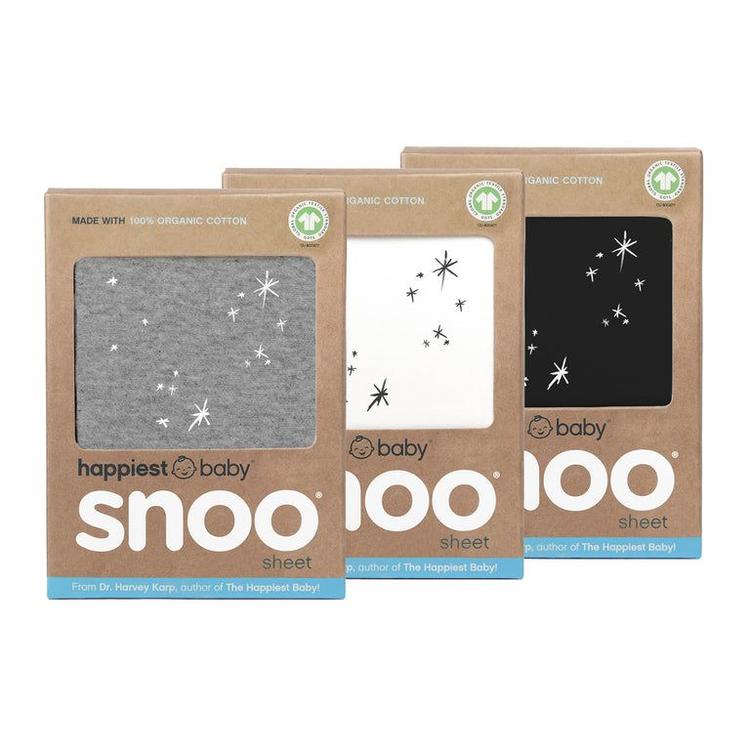
    SNOO Organic Baby Cot Sheets 3 Pack in 3 different colours

    SNOO Organic Baby Cot Sheets 3 Pack

    $89.85

    $58.40

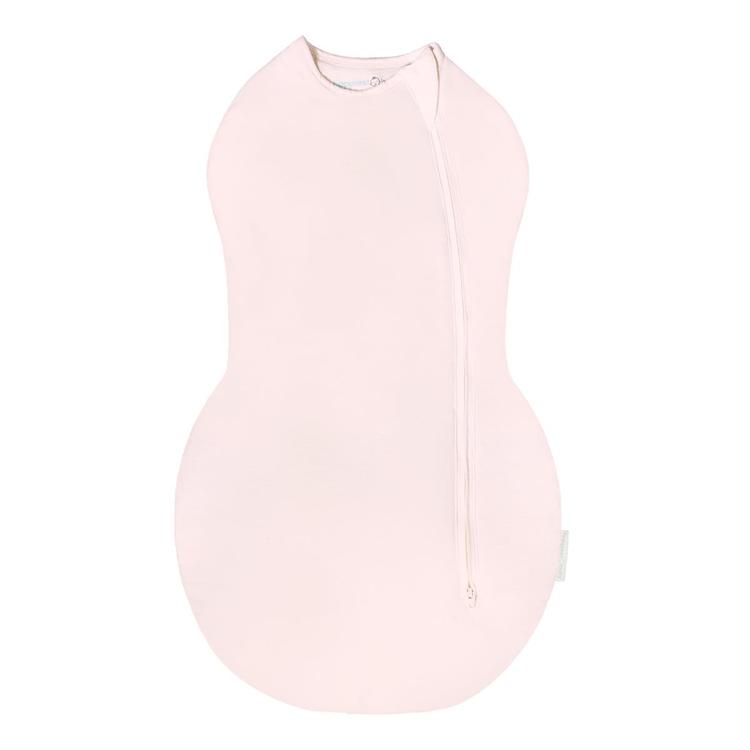
    Sleepea® Comforter Swaddle in rose colour

    Sleepea® Comforter Swaddle

    $67.95

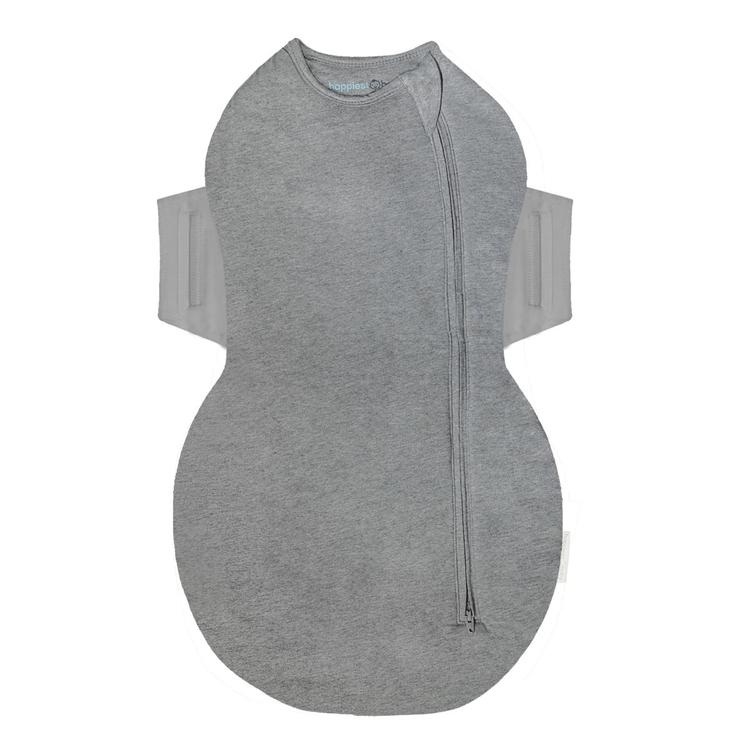
    100% Organic SNOO Sleep Comforter Sack in graphite colour

    100% Organic SNOO Sleep Comforter Sack

    $69.95

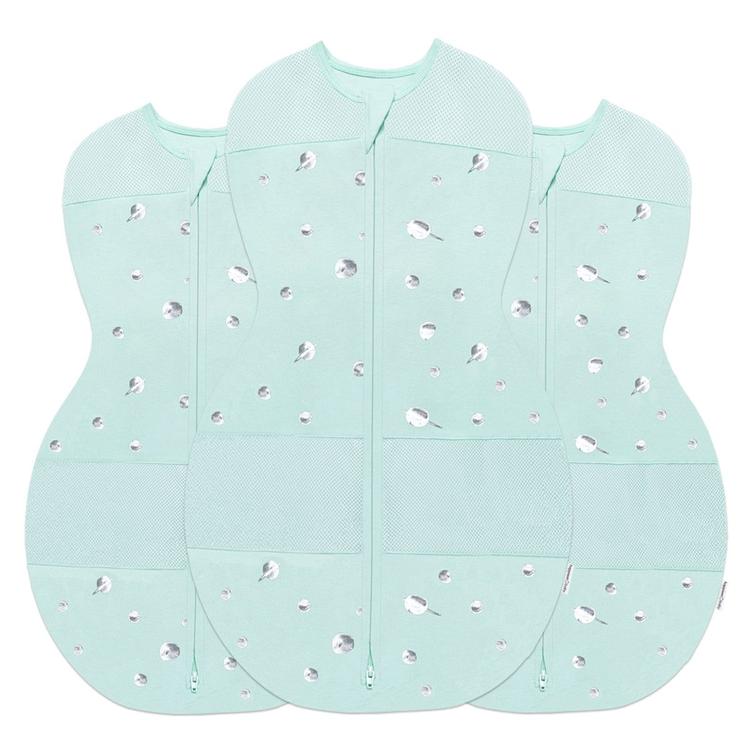
    Sleepea® Swaddle Sack 3 Pack Bundle in teal planets colour

    Sleepea® Swaddle Sack 3 Pack Bundle

    $143.85

    $100.70

    More on Baby

    A curled-up newborn baby

    BABY

    What’s the Newborn Scrunch?

    Here’s the scoop about this adorable reflex.

    A mum and her newborn baby doing skin-to-skin

    BABY

    Why Holding Your Baby Skin-to-Skin Is So Powerful

    From regulating body temperature to promoting bonding, the benefits of skin-to-skin are profound!

    What if I told you that there was an immunity-boosting, nutrient-packed superfood that helps newborns thrive…and it did not cost anything. And, in fact, your body automatically makes this super-powered substance. It’s not magic…it’s colostrum!

    What is colostrum?

    You probably know that it takes two to four days for breastmilk to come in after giving birth. That is the usual time it takes from the first suckle to having your breasts become full of milk. So, it the milk has not come in, yet, what the heck is your baby slurping down on day one? Ah…that is the very precious—liquid gold—called colostrum.

    When do you produce colostrum?

    A pregnant person’s body begins brewing colostrum during the second half of pregnancy. If you are pregnant, it is possible you have already noticed a tiny amount of yellowish substance oozing out of your nipple in the shower or in your bra. (The old term for that is 'witch’s milk.')

    How is colostrum different from breast milk?

    Colostrum is an incredible superfood, packed with nutrients, antibodies, and even with white blood cells to give tender vulnerable babies a huge boost of protection against the outside world of germs and microbes. Unlike mature breastmilk, which is thin and watery, colostrum is thick, sticky and yellow or cream coloured. (Note: The yellow colour comes from carotene, the nutrient that gives carrots their colour.)

    What are the benefits of colostrum?

    Colostrum is a perfect first meal for your baby, delivering a powerful combination of carbohydrates, protein, and antibodies in a small, easy-to-digest amount. Amazingly, the breasts also mix huge amounts of illness fighting white blood cells into the colostrum, which is why it is sometimes referred to as 'white blood.' With every swallow of colostrum, this special pre-milk flows down into your baby’s stomach and intestine to coat it with a tiny army of protective antibodies and cells.  

    Additional colostrum benefits:

    And, if that was not incredible enough, colostrum has even more benefits for baby’s health and development! It:

    • protects the mucous membranes in the throat and lungs
    • is a laxative, helping baby push out the sticky meconium (aka your lovebug’s first poo)
    • helps prevent jaundice (yellowing of skin and eyes) by clearing out the meconium
    • boosts the growth of 'good' bacteria—probiotics—in your baby’s digestive tract
    • feeds your baby’s brain, eyes, and heart for optimal growth
    • helps prevent low blood sugar in full-term babies

    Colostrum benefits for pre-term babies:

    And for pre-term babies, colostrum can be a literal lifesaver. Colostrum helps get a pre-term baby’s immature digestive tract ready to handle food, and it is much better tolerated than infant formula.

    When should my baby start eating colostrum?

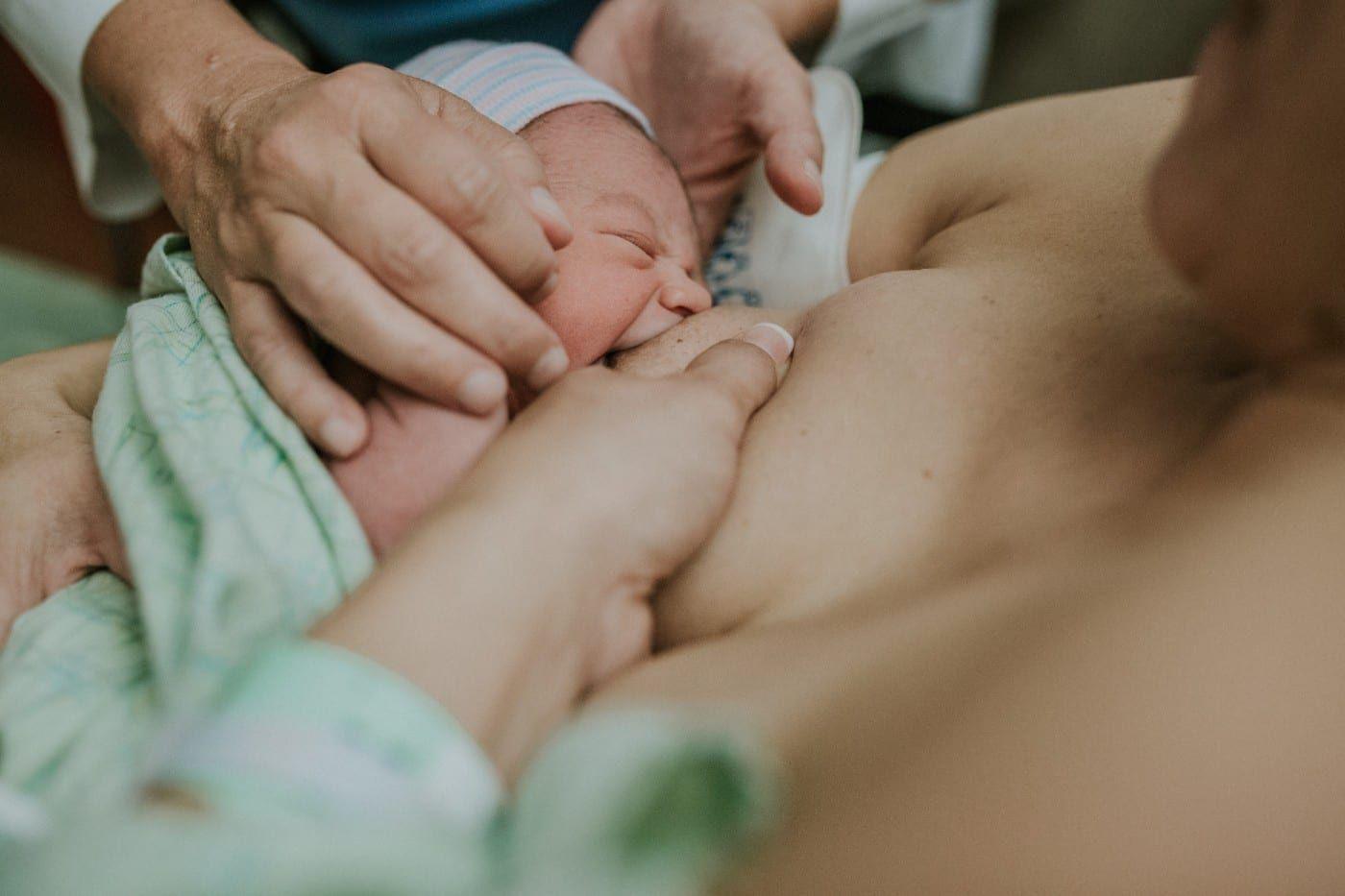
    Babies are born with a strong instinct to suck, so it is a good idea to offer your baby the breast within an hour or so of giving birth. Babies are often pretty sleepy on that first day, but when your little one is awake, offering the breast every hour gives little sips of colostrum and stimulates your milk production to bring the mature milk. Early nursing also benefits mums by signaling the uterus to contract, reducing maternal blood loss.

    Do not worry if the volume of colostrum seems small. Your body produces exactly what your baby needs. A newborn’s stomach is quite small, so several spoons of colostrum per day is plenty.

    Although newborn babies only need tiny 'meals,' they do need to eat often (eight to 12 times a day).

    How long will I produce colostrum?

    There are three stages of breastmilk production, and the colostrum stage is short and sweet:

    • Colostrum: Produced exclusively for the first 2-5 days after birth.
    • Transitional milk: A combination of colostrum and breastmilk that lasts a few weeks.
    • Mature breastmilk: It comes in between 2 and 4 weeks. It is 90% water, and the rest is carbohydrates, protein and fats.

    Even after your milk has come in, there will still be small traces of colostrum in your milk for up to six weeks postpartum. This is the most important food you can give your baby! 

    [Read More: Breastmilk and Breastfeeding]

    Disclaimer: The information on our site is NOT medical advice for any specific person or condition. It is only meant as general information. If you have any medical questions and concerns about your child or yourself, please contact your health provider. Breastmilk is the best source of nutrition for babies. It is important that, in preparation for and during breastfeeding, mothers eat a healthy, balanced diet. Combined breast- and bottle-feeding in the first weeks of life may reduce the supply of a mother's breastmilk and reversing the decision not to breastfeed is difficult. If you do decide to use infant formula, you should follow instructions carefully.
    Top Stories

    how-to-use-5s-s-for-soothing-babies

    BABY

    The 5 S's for Soothing Babies

    what is the fourth trimester

    BABY

    What Is the Fourth Trimester?

    white noise for babies

    BABY

    Newborn Baby White Noise Benefits

    4 month sleep regression

    BABY

    Don't Get Blindsided by the 3-4 Month Sleep Regression

    dream feed

    BABY

    What Is Dream Feeding? And How Do I Do It?

    when to stop pacifier use

    TODDLER

    How & When to Stop Dummy Use