TODDLER
How to Discipline a Toddler Discipline: 2 Tactics That Really Work
Put the brakes on red-light behaviors with these take-charge consequences.

Written by
Dr. Harvey Karp
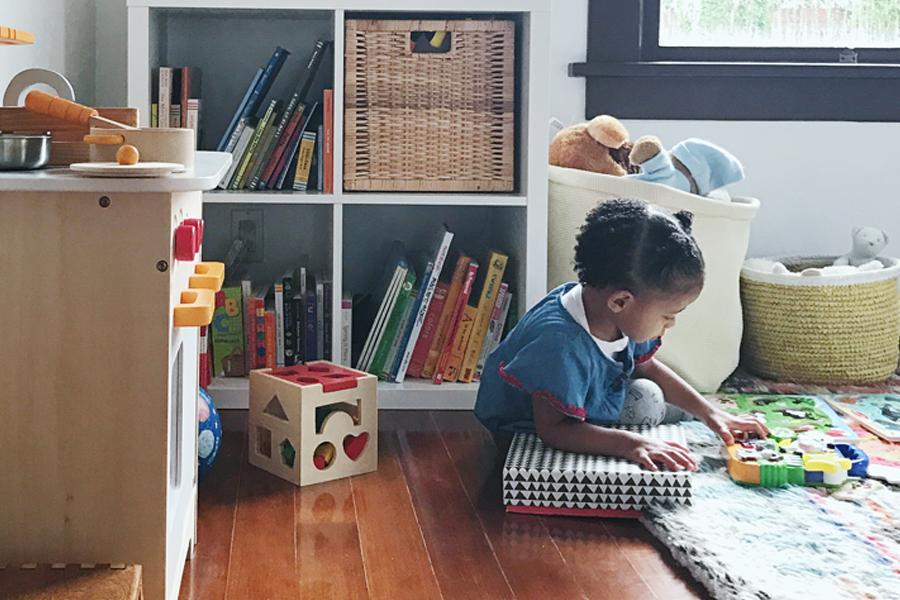
There are 3 types of toddler bad behaviour that go beyond the ‘annoying’ category and need to be stopped with discipline: dangerous acts, aggression and breaking key family rules.
When your child is engaged in these red-light behaviours, I recommend two ‘take-charge’ consequences you can use to put on the brakes: time-out and giving a fine. Let us look at each of them in detail...
Toddler Discipline Tactic No. 1: Time-Out
Time-out is a ‘take-charge’ consequence where you very briefly deprive your child of two precious things: freedom and the privilege of being with you. Time-out requires one piece of equipment—a timer—and has three simple steps (Note: For dangerous or really bad behaviour you can skip right to step 3):
- Step 1: One last warning. If your 2-year-old is having a meltdown at the dinner table because you will not let him play with the sugar bowl, clap-growl (a toddler warning technique—clap your hands three to four times and grrrrrrowl), frown and shake your head ‘no’ (even do a double take). Once you have his attention say, ‘Mad. Mad. Jamie's mad at Daddy. Jamie wants the sugar, now! But...no sugar! No sugar! But you know what? Daddy is going to let you hold something else. Do you want to hold a piece of bread or your toy car?’
- Step 2: Count to three. If your child ignores your warning, put on a serious face and calmly echo his desire; then say ‘No,’ and count to three. You want your child to learn that the time-out is something he is doing to himself (not something you are doing to be mean). If your child stops the misbehaving before you get to three, do not do a time-out. Reward his cooperation by playing the boob. Later on, compliment his good listening with a bit of praise and gossip, and a little bedtime sweet talk before you turn out the lights.
- Step 3: Put your child in isolation. Now the time for talking is over. Calmly lead him (or, if you have to, carry him) to the time-out place.
It is a good idea to pick your time-out place ahead of time. A chair or bottom step may work with some toddlers. But young ones, and feisty toddlers of all ages, usually need to be confined—in a playpen if they are under age two, or gated into their bedroom if they are over age two.
Time-outs should last one minute per year of age. You will want to buy a timer with a loud ring. Timers are great to let both you and your child know when the time-out is over. Introduce the timer to your toddler as Mr. Dinger and let him hear what it sounds like. It will allow your child to hear when the time-out is over, and it also gives you a good answer when he begs to come out (‘It is not up to me, it is up to Mr. Dinger.’)
Once the fit is over and your child is free to go, do not talk about the time-out for 30 minutes or so. Just join him in some play or give a bit of attention. It is time to let go of your anger and allow your heart to forgive. If he is still mad, connect with respect, but then let him be on his own. Many kids need to sulk a little after being punished.
After a time-out, express your regret for having had to do it. Later in the day, talk to him about what happened and gossip to his toys about the incident (and the lesson you want him to learn). At bedtime, reinforce the lesson by telling a fairy tale about a little bunny who misbehaved and what happened to him.
Toddler Discipline Tactic #2: Giving a Fine
If time-out is like going to jail, giving a fine is like, well, being fined. It is a ‘take-charge’ consequence that targets your toddler's growing love of freedom and ownership. This tactic is best used for toddlers two and up (especially three and up).
Giving a fine penalises your toddler by removing a valued privilege or toy. Make the punishment related to the misconduct. In other words, if he defies you by playing football in the house, remove the ball for a period of time. (Penalties that connect the punishment to the misbehaviour are also called logical consequences.)
When you take away a privilege, tell your child you know how much she wants it, but what she is doing is not okay. For example, if your three-year-old refuses to stop tossing crackers to the dog, remove the crackers and say, ‘You like to see Rusty eat crackers, but crackers are for people...not dogs. Mum said, “Stop, no, no, no!” but Eleanor did not listen to Mum’s words, so...bye-bye crackers. No crackers for dogs. Now you can get down and play.’
Sometimes the ‘prized possession’ you remove is...you. It is time to use the kind ignoring technique (give a teensy cold shoulder to nudge a toddler to cooperate): ‘Mum does not like it when you say those words. They do not make me laugh. They hurt my ears. I am going to the kitchen and I will be back in a little bit when you remember your nice words.’
Once your child stops the negative behaviour, do a little something that is fun to show him that good things happen when he follows the rules. Later, you might gossip to Daddy on the phone about when he did good listening and stopped when Mum said stop.
How Not to Punish a Toddler: Spanking
When you are angry, clap...do not slap.
Violence is a huge problem. And it has its roots in the home. After all, our toddlers imitate most things we do. If we eat with our fingers, they will imitate. If we whistle while we work, they will try to do that. So if we hit them when we do not like their actions, what do you think they learn from that?
Hitting children teaches them that it is okay for big people to hit little people and that it is okay to vent anger through violence. Is that really what you want your child to learn? And what sense does it make to spank kids to punish them for hitting? We do not teach children not to spit by spitting at them, do we?
What to Do If Your Toddler Will Not Listen
It is quite common that toddlers will not listen, and these little children may need some gentle discipline to learn right from wrong. We recommend reserving the above discipline tactics for ‘red-light’ behaviours. If your toddler still will not listen, try communicating with them in Toddlerese (aka their native language!):
- Speak in short phrases: One- to two-word phrases are bite-sized enough for a toddler’s stressed-out brain to understand when in the middle of a tantrum.
- Use repetition: If your toddler is upset, words may whiz by their brain too quickly to understand. You may need to repeat the same phrase twice...or three, four, maybe even eight times just to get your toddler’s attention!
- Mirror your toddler’s feelings: Make your toddler feel understood by mirroring their feelings with your own voice and gestures.
- Keep a cool, respectful tone and avoid hurtful words—even if you are feeling really angry.
- Get on your child’s level. Squat or kneel down so you are just below your child’s eye level. This shows that you respect her and you care.
- Praise ‘greenlight’ behaviours. When you catch your child listening—or performing other good behaviours—be sure to praise it! Praising a child’s positive actions throughout the day can help reinforce the kind of behaviour you want to see.
Have you tried everything above and is your toddler still acting out? Then it might be time to get a copy of The Happiest Toddler On the Block. In it, you will get even more tips for how to get your toddler to listen, behave, and be the best kid they can be—straight from Dr. Harvey Karp. Click here for more information on The Happiest Toddler on the Block.
Disclaimer: The information on our site is NOT medical advice for any specific person or condition. It is only meant as general information. If you have any medical questions and concerns about your child or yourself, please contact your health provider. Breastmilk is the best source of nutrition for babies. It is important that, in preparation for and during breastfeeding, mothers eat a healthy, balanced diet. Combined breast- and bottle-feeding in the first weeks of life may reduce the supply of a mother's breastmilk and reversing the decision not to breastfeed is difficult. If you do decide to use infant formula, you should follow instructions carefully.






SHARE THIS ARTICLE
PARENT PICKS
Bestsellers