BABY
The Dreaded Colic – A ‘Cry-sis’ for the Whole Family
When you've tried everything and your little one still doesn't stop screaming.

Written by
Dr. Harvey Karp

Infant crying is a fact of life. It’s one of the important ways newborns communicate their needs to us. Fortunately, most of the time even a baby’s passionate shrieks just mean he’s hungry, wet, soiled, or lonely, and he will melt into blissful quiet once you give him what he needs. In fact, we call babies “infants” exactly because they can’t tell us what’s on their little minds; the word infant comes from ancient Latin and means “without a voice.” Most babies’ bouts of the fussies only last for a few minutes, totaling less than an hour a day. However, as many parents can attest, some babies have huge voices and the energy to cry loudly for a long time!
What if your cute little guy keeps blasting even though you think you have watched his every sign and given him a good feeding, put on a dry nappy, and is being cuddled in your arms? What happens if you try everything and he still doesn’t stop screaming? That’s when parents start to wonder if this is more than just fussiness—if it may in fact be the mysterious condition called colic, or persistent crying.
How do You Know if Your Baby has Colic?
Infants with colic flail and kick and let out frantic screams. Once they get started, they can yell, on and off, for hours, often mysteriously starting at just about the same time every day—creating a family’s very own “witching hour.” It is estimated that 10-15% of all babies suffer from colicky crying. Doctors define colic by the “rule of threes,” which states that a baby has colic if he cries at least: 3 hours a day, 3 days a week, for 3 weeks in a row. That’s a lot of crying—and that doesn’t include your shrieks!
What Causes Colic in Babies?
For centuries, doctors and grandmothers alike have argued about the cause of this marathon crying. Some swear it’s caused by gas, overfeeding, acid reflux, or anxiety. Some even think it’s from an “evil eye.” Recently, there’s been discussion that some babies cry because they need to eat more “good bacteria” or so-called probiotics, like those found in yogurt.
But none of these can really be the cause of infant crying. How can I be so sure? Because of several well-known facts:
- X-rays of fussy babies show they have almost no gas trapped in their stomachs when they’re crying. In fact, since they swallow air while crying, babies’ tummies are usually filled with much more air an hour after their crying fit is over even though they are, by that time, totally calm and comfortable.
- In some African cultures, colic is extremely rare (even though those babies are nursed 50-100 times a day!)
- Most fussy babies calm down when we turn on a vacuum cleaner or go for a car ride. Yet no one has ever figured out how a car ride would help bad stomach pain (adults certainly don’t hop in the car every time we have a stomachache).
I believe the real reason some babies cry so much is because they miss the womb. I know that sounds odd, but in a certain sense our babies are born three months before they are really ready for the world. Human babies are much more immature than other mammals, like horses or cows, at birth. Even though women have to give birth after nine months of pregnancy, our babies really need an extra three months – a fourth trimester – of holding and rocking.
What we didn’t know before is that the world inside the womb is very active. Fetuses experience a symphony of sensations 24/7-jiggly rocking, constant holding, and loud shushing. Rather than needing total silence and being kept in a flat, still bed, babies need rhythmic, hypnotizing stimulation that imitates their life in the womb. These sensations don’t just make babies feel happy, they turn on an extraordinary thing called the calming reflex.
How to Calm Your Crying Baby
Almost like an off switch for crying and an on switch for sleep, the calming reflex is turned on by doing five specific things to imitate the uterus. I call these the 5 S’s: swaddling, the side/stomach position, shushing, swinging, and sucking.
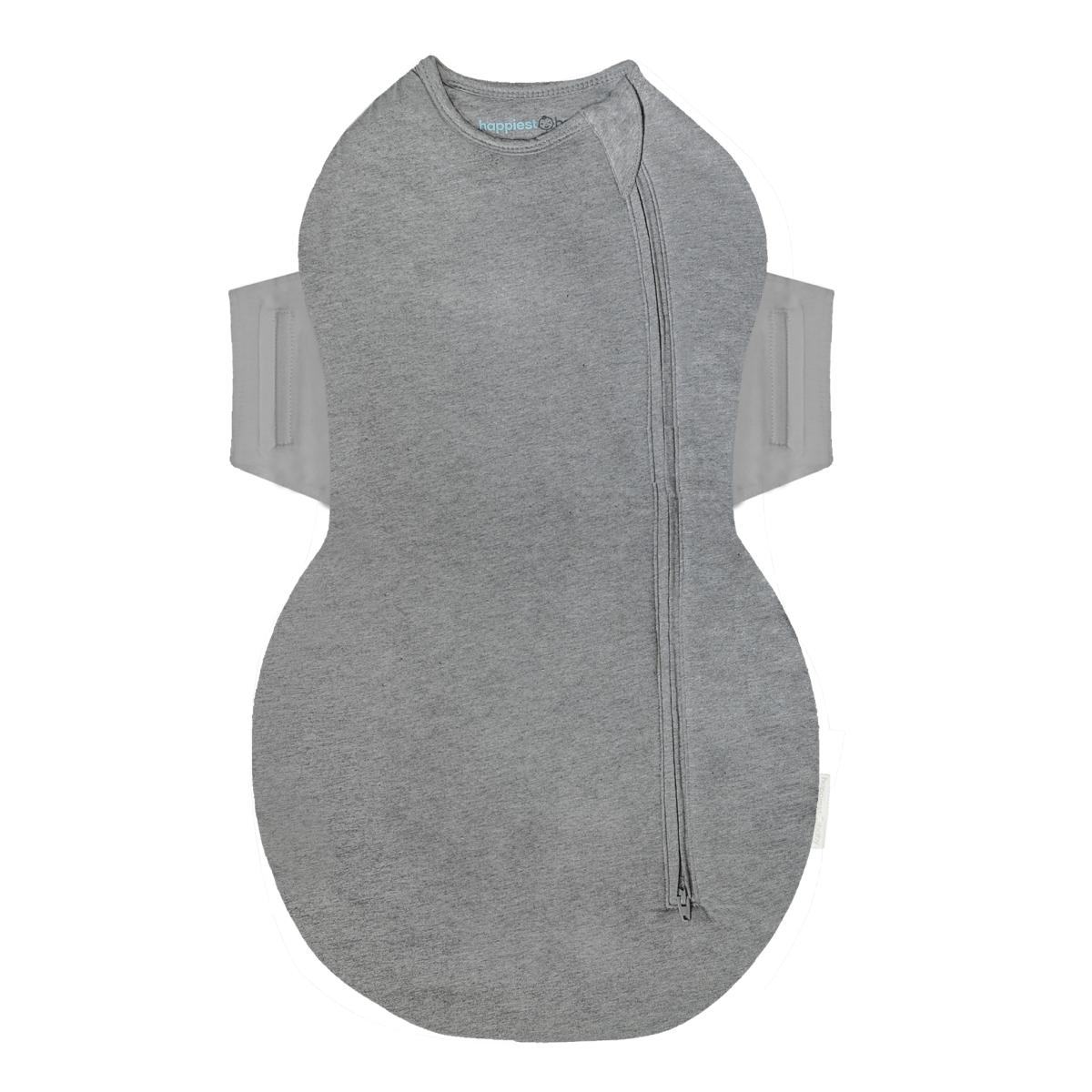
Swaddling: Snug wrapping is the cornerstone of calming, the essential first step in pacifying fussy babies. Swaddling duplicates the soft caresses babies feel during pregnancy. Your baby may initially struggle against the wrapping, but once he calms, it will keep him from flailing and accidentally upsetting himself. (Avoid loose blankets around the face, and overheating. They have been associated with SIDS.)
Side/stomach position: The back is the only safe sleeping position. But it’s the worst position for soothing crying, because it can trigger a feeling of falling. The side or stomach position cancels that feeling, and switches on the calming.
Shushing: strong shushing is “music to your baby’s ears.” Shush as loudly as he’s crying, then, as he settles, gradually decrease your volume and intensity. (A CD of womb sounds or a white noise machine is worth its weight in gold.)
Swinging: All infants love movement, but crying babies need fast, ultra-small jiggly motion (1-2″ back and forth… like a shiver). Swings, slings and rocking chairs can be a big help, too. But never jiggle your baby when you’re angry.
Sucking: This wonderful “S” lulls babies into profound tranquillity. You should breastfeed if you can – even formula manufacturers say “breast is best” – and avoid dummys until the nursing is really well established.
Soothing your infant is like “dancing” together… but let him lead! The vigor of your S’s should mirror the vigor of his fussies. After your baby’s crying abates, gradually lessen the vigor, and gently guide your swaddled little child to a “soft landing.”
Sounds easy, right? And it is. However, like any reflex, the trick to turning on the calming reflex with the 5 S’s is to make sure you do them exactly right. And like any new skill, it’ll take some practise. Think about it, it’s easy for your doctor to get a knee reflex when examining you, but only if he hits your knee in exactly the right place. If he is off by an inch, it will look like he is doing it right, but nothing will happen. So, double check that you are doing each step correctly and go for it.
This approach is especially fun because dads are often the best baby calmers in the family. We may not be so good at breastfeeding, but we’re great at snug swaddling, strong shushing, and perfect jiggly swinging!
If it seems that nothing, including the 5 S’s, is calming your baby, give your doctor a call to make sure your little one isn’t crying from a real pain, like an ear or urinary tract infection.
For best sleep, I recommend using a large, thin swaddling blanket and a CD of your baby’s favourite soothing white noise-womb sounds. CDs are my favourite form of white noise because they give you total control. You get to choose which sound works best to calm crying and which one your baby loves to boost sleep. A CD is easy to use when traveling, in order to stop car-seat meltdowns and to improve baby’s sleep when you’re spending the night at Grandma’s.
So, try not to worry too much about whether or not you’ll be able to calm your baby during the ‘fussies.’ Hold him, feed him, and change his nappy—and if all else fails, just try turning on his calming reflex with the 5 S’s.
Disclaimer: The information on our site is NOT medical advice for any specific person or condition. It is only meant as general information. If you have any medical questions and concerns about your child or yourself, please contact your health provider. Breastmilk is the best source of nutrition for babies. It is important that, in preparation for and during breastfeeding, mothers eat a healthy, balanced diet. Combined breast- and bottle-feeding in the first weeks of life may reduce the supply of a mother's breastmilk and reversing the decision not to breastfeed is difficult. If you do decide to use infant formula, you should follow instructions carefully.






SHARE THIS ARTICLE
PARENT PICKS
Bestsellers