BABY
Is My Baby’s Crying Normal or Is It Colic?
What happens if you feel like you've tried everything and the screaming doesn’t stop?

Written by
Dr. Harvey Karp

Infant crying is a fact of life. It’s the only way our newborns can communicate their needs to us. Fortunately, most of the time even a baby’s most passionate shrieks just mean he’s hungry, wet, soiled or lonely, and he will quiet once you give him what he needs.
But what if your cute little guy keeps blasting even though he’s been fed, has a dry nappy and is being cuddled in your arms? What happens if you feel like you've tried everything and the screaming doesn’t stop? That’s when parents start to wonder if their baby may in fact have mysterious condition called colic, or persistent crying.
Does My Baby Have Colic?
By standard definition, a baby who cries for more than 3 hours a day, at least 3 days a week, and consistently for longer than 3 weeks (and is otherwise healthy) is considered to have colic.
Studies show that colic affects from 10-15% of all babies (and about 50% of crying infants fuss for over 1 hour a day). While certain aspects of colic, from cause to cure, aren’t understood, here’s what we do know:
- Infants with colic usually begin displaying symptoms approx. 2 weeks after being born.
- After the first 3 or 4 months of life, colic generally goes away.
- Gender and feeding style (bottle vs. breast) do not increase a baby’s chances of getting colic.
- The presence of colic in a baby does not indicate that the child will be less intelligent or less healthy that a baby without colic.
Common Misinformation About Colic
For most scientific researchers, colic has been a rather confounding subject. Many factors may lead to the irritation that comes with colic, but no specific “cause” has been identified.
Some often-cited (though incorrect) causes of colic are: lactose intolerance (and the digestive trouble that ensues), gas, overstimulation and heartburn.
Another theory about colic is that it is caused by a baby sensing her parents’ anxiety. That is also completely false. Babies aren’t little psychologists! They can’t tell if a parent is anxious, irritated or fearful. In fact, if colic were caused by anxiety, premature babies should have a high level of colic, because their parents are usually extra-stressed. But, premature babies have no more colic than full-term babies.
My Theory About Colic
I believe the key to understanding colic is that that our babies are born 3 months before they're really ready for the world. And because of that, they are over-stimulated on the one hand and terribly under-stimulated on the other (the latter being the much bigger problem). Life in the womb is one of non-stop sensation. Your baby is held, touched and jiggled, and hears the loud pulsing of blood flow 24/7. Putting a new baby in a dark, quiet bedroom by themselves is actually sensory-depriving. Some kids can tolerate that, and others just…fall apart!
What I’ve come to learn is that imitating the sensations of the womb does not just reassure babies it literally flips a switch—a virtual calming reflex that all babies have at birth.
Calming Colic
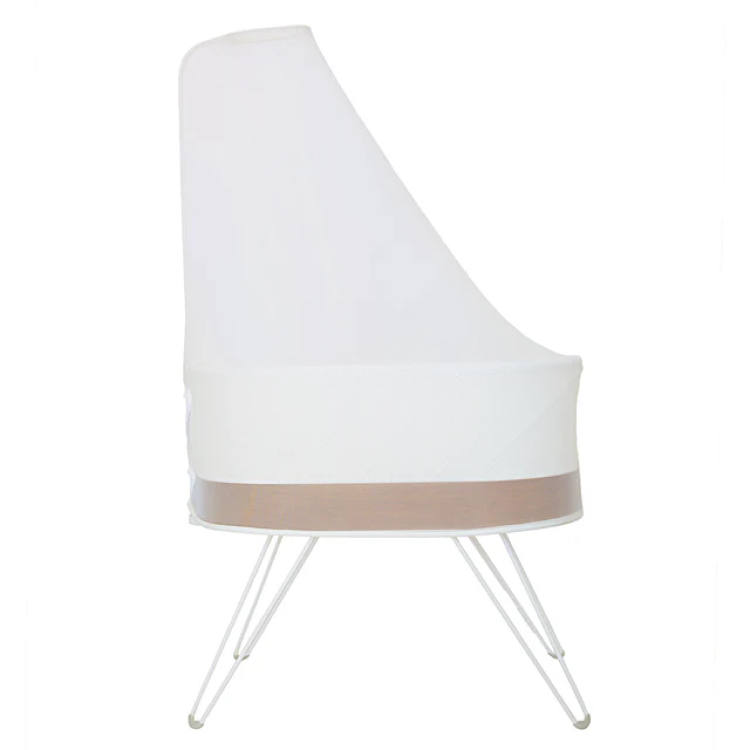
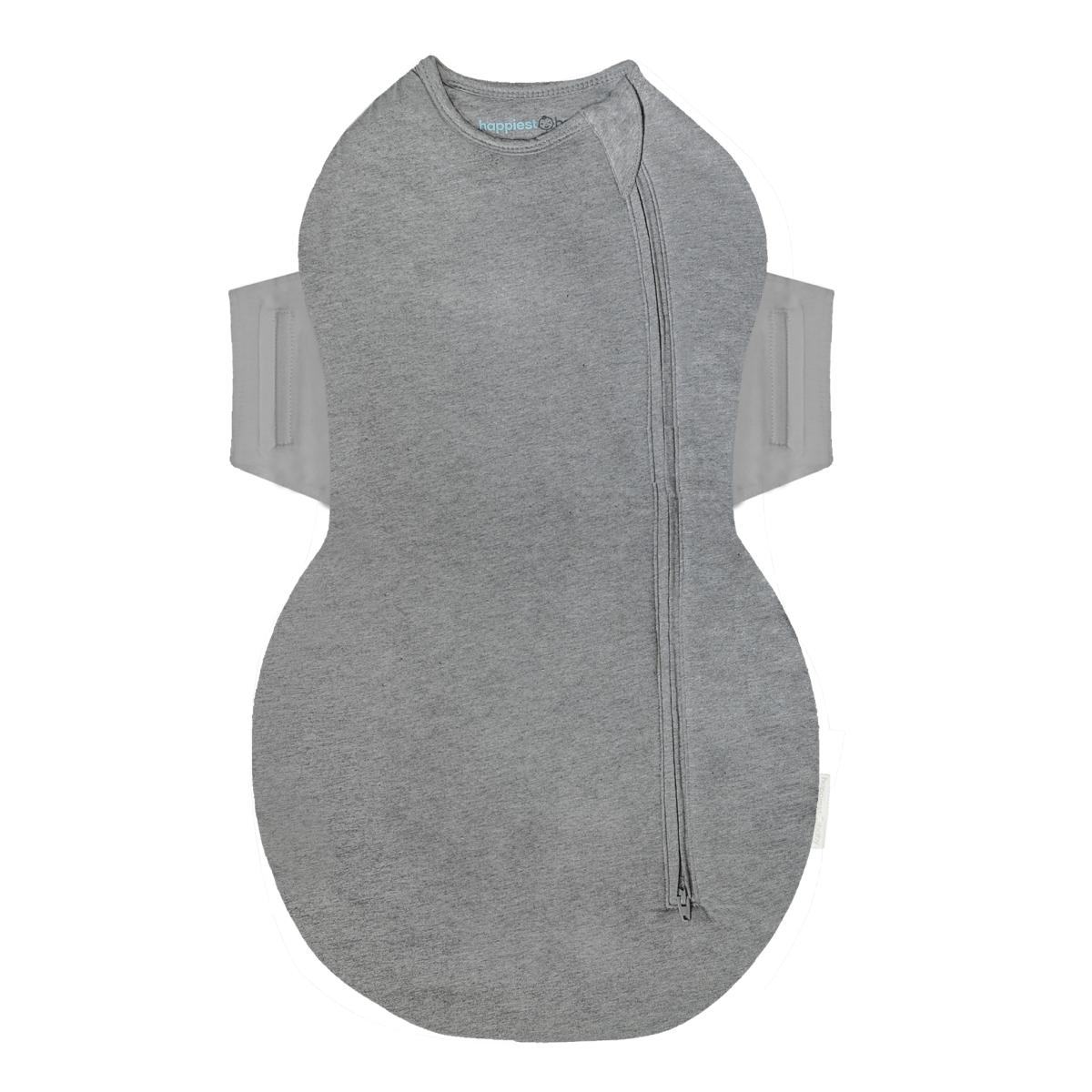
I developed a method called the “5 S’s” —swaddling, shushing, swaying, side/stomach position and sucking— to turn on an infant’s calming reflex. When done correctly, colicky crying calms in minutes, or less. Approximately 95% of the time the “5 S’s” fail, it is because they are not done exactly right. Parent can easily master the technique by viewing The Happiest Baby on the Block DVD / streaming video. There’s also Happiest Baby’s SNOO Smart Sleeper, an innovative baby bed built with smart technology based on the 5 S’s. It can help calm the even the fussiest colicky baby and stretch his sleep longer.
More on the Mystery
Kids with colic are usually totally healthy. However, if crying persists in spite of the 5 S’s, it’s very important to have your doctor check if illness triggering the colic. Especially if the infant crying is associated with other symptoms like poor weight gain, fever, etc.
The most common medical problems associated with colic are milk protein allergy and various types of infections (urine, ear, etc.). One of the most frequently-diagnosed problems said to cause colic is acid reflux (GERD). However, mounting evidence indicates that GERD is hugely over-diagnosed. A baby with colic who is growing well and vomits fewer than 5 times a day rarely, if ever, has GERD.
It’s important to consult your doctor before giving ANY sort of medicine to your baby. For example, gas drops made of simethicone, have been shown to be no more effective than water to improve a baby’s colic.
Advice to Parents of Colicky Babies
If you’ve reached your emotional limit and the “5 S’S” are not helping your baby’s colic, lay him down in on the floor or in a safe baby bed and call a friend or a relative to come help you.
It’s normal to feel at wit’s end when a baby cries for hours, but you never want to allow your frustration or anyone else’s to lead to shaken baby syndrome. And finally, if you have a colicky baby, never blame yourself for his cries. Colic may be a mystery, but be confident the cause is not you.
Disclaimer: The information on our site is NOT medical advice for any specific person or condition. It is only meant as general information. If you have any medical questions and concerns about your child or yourself, please contact your health provider. Breastmilk is the best source of nutrition for babies. It is important that, in preparation for and during breastfeeding, mothers eat a healthy, balanced diet. Combined breast- and bottle-feeding in the first weeks of life may reduce the supply of a mother's breastmilk and reversing the decision not to breastfeed is difficult. If you do decide to use infant formula, you should follow instructions carefully.






SHARE THIS ARTICLE
PARENT PICKS
Bestsellers