PREGNANCY
27 Weeks Pregnant: Buh-Bye 2nd Trimester!
Do you feel some bubbly, fluttery feelings in your belly? That may be your baby hiccuping!

Written by
Dr. Harvey Karp

SHARE THIS ARTICLE
PARENT PICKS
Bestsellers
PREGNANCY
Written by
Dr. Harvey Karp
SHARE THIS ARTICLE
Bestsellers
Feeling extra warm these days? That’s thanks to pregnancy hormones—and your growing bub, who actually has a slightly higher body temperature than you. At around 900g (about 2 pounds) and over 30cm long from head to toe, your little one is taking up more space than ever.
Those bubbly, fluttery feelings in your belly? They might be hiccups! This is how your baby practises using the diaphragm, preparing for those first breaths after birth. While hiccups have been happening for weeks, around now is often when you’ll really notice them—a sweet reminder of the little person growing inside.
At 27 weeks, your baby is about the size of a trainer/sneaker.
You’re roughly 6¼ months pregnant—and officially in the third trimester!
From here, your baby begins to gain weight rapidly—about 200g a week—and you’ll likely notice your bump growing quickly too.
As your skin stretches, it may feel dry or itchy. Switch to soft, breathable fabrics like cotton, and keep your skin well moisturised. After a shower, pat dry and apply a rich balm such as cocoa butter or shea butter. Creams that are mostly water tend to be less effective.
Back aches are common now, caused by pregnancy weight gain, hormones, weaker core muscles, and postural changes. While it can feel counterintuitive, gentle movement often helps. Try:
If your back pain persists or worsens, always check in with your midwife or doctor.
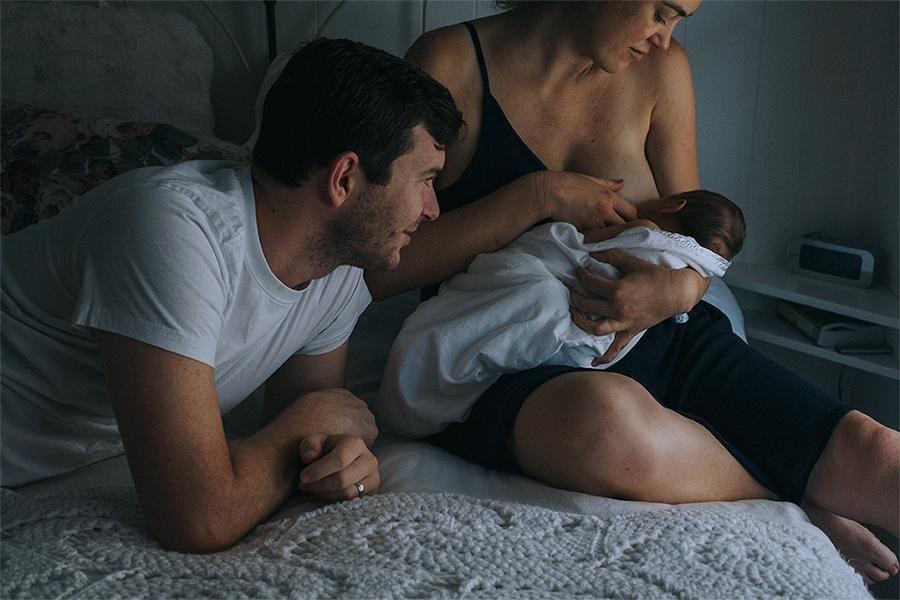
Your body is preparing for breastfeeding. You may feel tingling or burning in your breasts, your nipples may have darkened, and you might notice a little yellow colostrum (early milk) leaking. Don’t squeeze it—too much stimulation can trigger mastitis (a breast infection).
If you have flat or inverted nipples, now’s the time to mention it to your midwife or GP. They may suggest breast shells to gently draw out the nipple and make breastfeeding easier.
"Making the decision to have a child—it is momentous. It is to decide forever to have your heart go walking around outside your body." —Elizabeth Stone
Disclaimer: The information on our site is NOT medical advice for any specific person or condition. It is only meant as general information. If you have any medical questions and concerns about your child or yourself, please contact your health provider. Breastmilk is the best source of nutrition for babies. It is important that, in preparation for and during breastfeeding, mothers eat a healthy, balanced diet. Combined breast- and bottle-feeding in the first weeks of life may reduce the supply of a mother's breastmilk and reversing the decision not to breastfeed is difficult. If you do decide to use infant formula, you should follow instructions carefully.